5-4-3-2-1 Grounding Technique for Kids: How It Works
By Tim Khuja · 6 min read
Last reviewed June 9, 2026
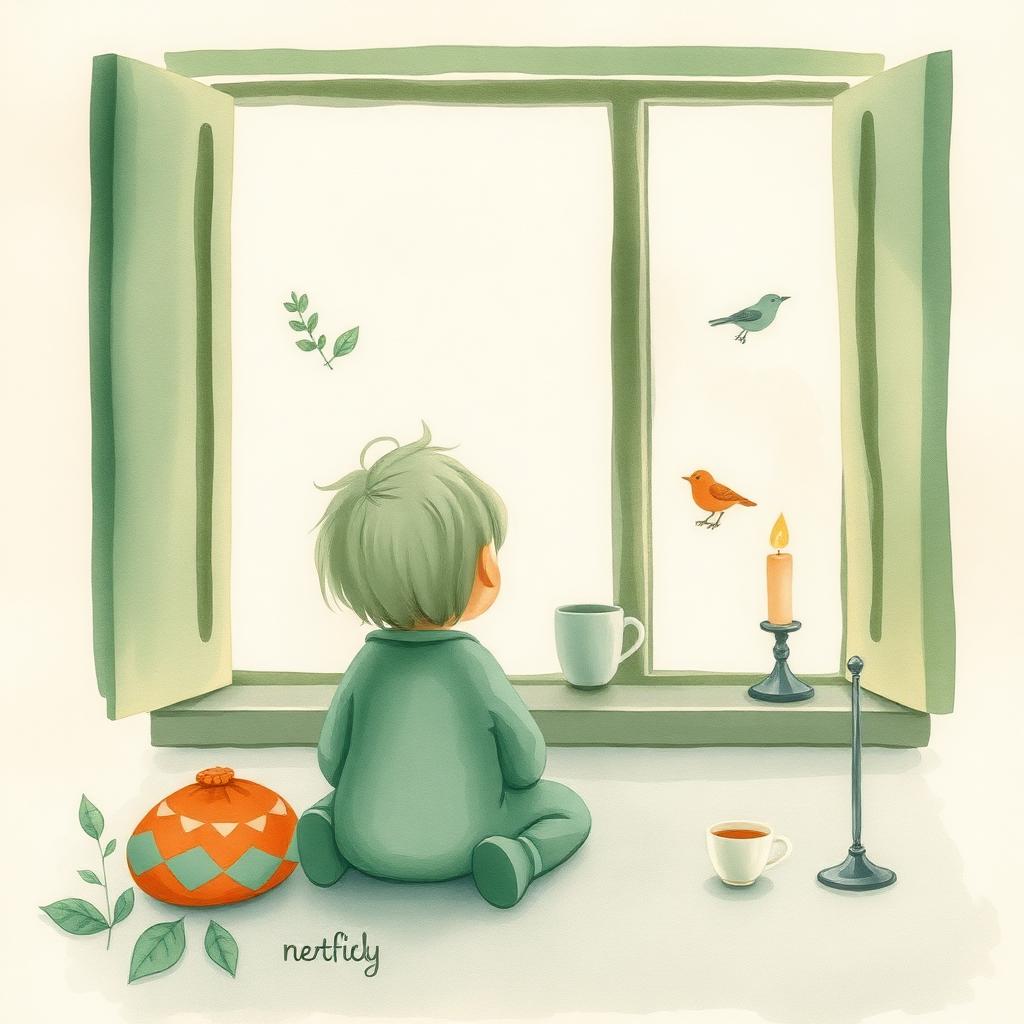
There is a particular look on a child''s face when their nervous system has run ahead of them. Eyes wide, breath shallow, body still but not still in a calm way — still in the way an animal goes still. You can talk to them. They will not really hear you.
What they need first isn''t a conversation. It''s a return. A way back into the room they''re standing in.
The 5-4-3-2-1 technique is the simplest, most portable version of that return. It comes out of trauma-informed care and is widely used by therapists who work with anxious or dysregulated children. It looks like a game. It is doing real neurological work.
What it is
You ask the child to notice, out loud or in their head:
- Five things they can see.
- Four things they can touch or feel.
- Three things they can hear.
- Two things they can smell.
- One thing they can taste.
That''s it. It takes about ninety seconds.
Why it works
When a child is overwhelmed, the part of the brain that handles threat — the amygdala — is loud, and the part that handles thinking and language — the prefrontal cortex — has gone quiet. You can''t reason a child out of this state, because the reasoning equipment is temporarily offline.
The senses, though, are still online. And every time the child names something they can see or feel, they activate the part of the brain that orients to the present. A blue cup. A scratchy label. The fridge humming. Each one is a small handhold.
This is the same principle behind grounding work for adults with anxiety and PTSD — pulling attention down out of the runaway thought and into the body, into the room.
How to introduce it to a child
Don''t teach it during a meltdown. Teach it on a quiet afternoon, as a kind of game. You can call it the noticing game, or the five-four-three game, or nothing at all.
Sit next to them. Say: I''m going to find five things I can see. A book. A green pen. A crumb. A bird outside. Your sock. Then ask them to try.
Do it once or twice in calm moments. The point is for the shape of the exercise to feel familiar — so that when you offer it later, in a harder moment, it''s already a known door.
Using it in a hard moment
The instinct, when a child is panicking, is to talk. It''s okay. You''re fine. Nothing bad is happening. It almost never helps.
Instead, get low. Match their breathing for a moment so you don''t accidentally make it faster. Then, quietly: Let''s find five things we can see. I''ll go first. I see the rug. I see your shoe.
Some children will join in. Some will shake their heads. Both are fine. Just doing it next to them, slowly, is half the work — you''re modelling the way back.
If they engage, go through all five steps. If they tire after the seeing and the touching, stop there. The full sequence isn''t the point. The return is.
Small adaptations
For younger children (3–5), shorten it. Show me three things that are blue. That''s enough.
For children who don''t like games or feel watched, do it silently together. You point at things. They point at things.
For bedtime panic, do the touching one. Soft pyjama. Cool sheet. Warm blanket. Smooth pillow. The body settles faster through touch than sight at night.
For car meltdowns — name five things outside the window. Trees, a red car, a sign, a bird, a cloud.
What it isn''t
It isn''t a fix. A panicked child who has done 5-4-3-2-1 is calmer, but not necessarily okay. The exercise gets them back into the room. The conversation about what just happened — if there is one — comes later, when the body has settled.
It also isn''t a replacement for support. If a child is regularly tipping into panic, grounding helps in the moment, but the bigger work — looking at what is making the system so reactive in the first place — happens elsewhere, often with a therapist.
Why parents find it useful too
Many parents discover, halfway through doing 5-4-3-2-1 with their child, that they have also come back into the room. Their own breath has slowed. The kettle is whistling. The light on the wall is gold. They had been somewhere else.
This is part of why it works. A child who is panicking is co-regulating with you whether you mean to or not. If you are also overwhelmed, the exercise grounds both of you. If you are already calm, your calm becomes louder.
Either way, the room comes back. The cup is blue. The sock is on the floor. The bird is outside. And the child is here again, and so are you.
Frequently asked questions
At what age can kids do the 5-4-3-2-1 technique?
From around four, in a shortened form ('find three blue things'). The full five-step version works well from around six onwards. Teach it during calm moments first.
What if my child refuses to play along during a meltdown?
That's common. Do it out loud next to them instead. 'I can see the lamp. I can see your blanket.' You're modelling the return; they can join when they're ready.
Does it actually calm the body, or is it just a distraction?
Both, but more than distraction. Naming sensory input activates the prefrontal cortex and orients attention away from the threat response, which genuinely settles the nervous system.
Can I use it for my own anxiety?
Yes — it's one of the most-used grounding techniques in adult therapy. Doing it alongside your child often regulates both of you, which is part of why it works so well at home.