Mindfulness for kids: what actually works (and what to skip)
By Tim Khuja · 6 min read
Last reviewed June 9, 2026
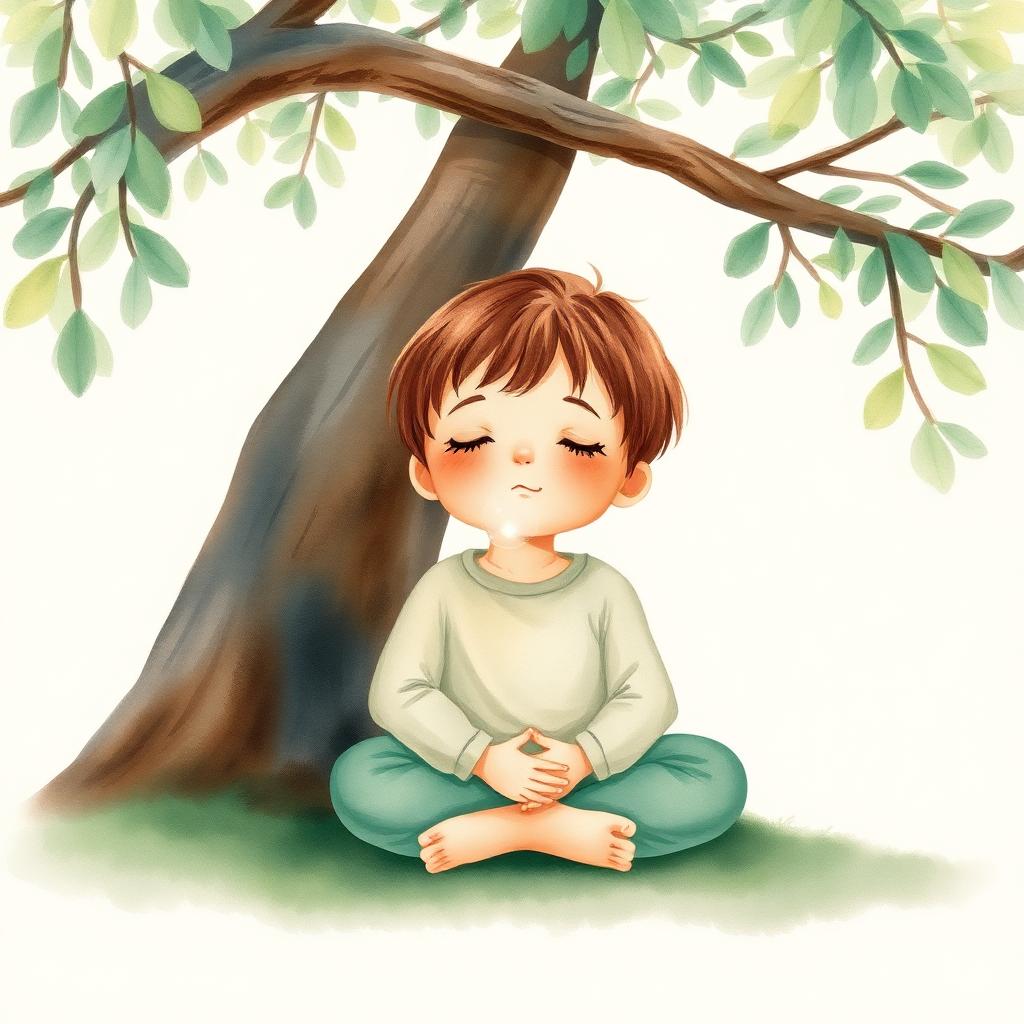
Most "mindfulness for kids" advice quietly assumes children are tiny adults who just need to be told to breathe. They aren''t. A 4-year-old cannot follow a 10-minute body scan. A 7-year-old will not "observe their thoughts without judgment." And forcing stillness on a dysregulated child often makes things worse, not better.
But the underlying science is real. Mindfulness — paying attention to the present moment, on purpose, without harshness — measurably helps children with emotional regulation, sleep, attention, and anxiety (Zenner et al., 2014, Frontiers in Psychology). The trick is translating it into something a child''s nervous system can actually use.
What mindfulness really is (for a child)
For a child, mindfulness is just three small skills:
- Noticing the body — "Where do you feel that in your tummy?"
- Noticing the breath — slow it down, make it visible.
- Noticing feelings without becoming them — "There''s a worry. I can see it."
That''s it. No incense. No app. No 20-minute meditation.
What actually works
1. Make it physical
Children regulate through their bodies before their minds. Try:
- Belly breathing with a stuffed animal: child lies down, places a soft toy on their belly, watches it rise and fall.
- Star breath: trace fingers of one hand with the other, breathing in up each finger, out down.
- Bubbles: blowing slow, intact bubbles is a perfect long exhale.
2. Make it sensory
- 5-4-3-2-1 grounding: name 5 things you see, 4 you hear, 3 you can touch, 2 you smell, 1 you taste.
- Cold water on the wrists for older kids in big distress (activates the dive reflex — a real, evidence-based calming response).
- Smell something nice: lavender, an orange peel, a familiar blanket.
3. Make it short
Under-7s: 30 seconds to 2 minutes max. School-age: 3–5 minutes. Anything longer and you''re training resistance, not mindfulness.
4. Make it daily and tiny
One breath before dinner. One stretch before bed. Consistency over duration — always.
What to skip
- Guided meditations that demand stillness for under-6s.
- "Just calm down" framed as mindfulness — it''s not.
- Apps that gamify it heavily — the dopamine loop undoes the point.
- Using it as punishment ("go do your breathing") — kills the association forever.
When mindfulness backfires
If your child has trauma, sensory processing differences, or severe anxiety, closing their eyes and "going inside" can feel deeply unsafe. Eyes open, body moving, parent-led co-regulation is almost always the better entry point. If in doubt, talk to a child psychologist.
The parent piece
Children mirror our nervous systems before they mirror our words. The most powerful "mindfulness practice" for a child is a parent who takes one slow breath before responding. You don''t have to be calm — you just have to be a beat slower than the moment asks for.
That''s the whole practice.
Frequently asked questions
At what age can children start mindfulness?
Around age 3, in 30-second body-based forms (belly breathing, blowing bubbles). Formal meditation usually fits from around age 8.
How long should a mindfulness practice be for a child?
Under 7: up to 2 minutes. School-age: 3–5 minutes. Daily and tiny beats weekly and long.
Is mindfulness safe for anxious or neurodivergent kids?
Often yes, but eyes-open, body-moving, parent-led versions are usually safer than silent inner-focus practices. If anxiety is severe, consult a clinician.
What's the single best practice to start with?
Belly breathing with a stuffed animal on the tummy. It's visual, physical, age-flexible, and lengthens the exhale — which is what actually calms the nervous system.