Nail Biting and Anxiety in Kids: To Address or Ignore?
By Soothly Editorial · 6 min read
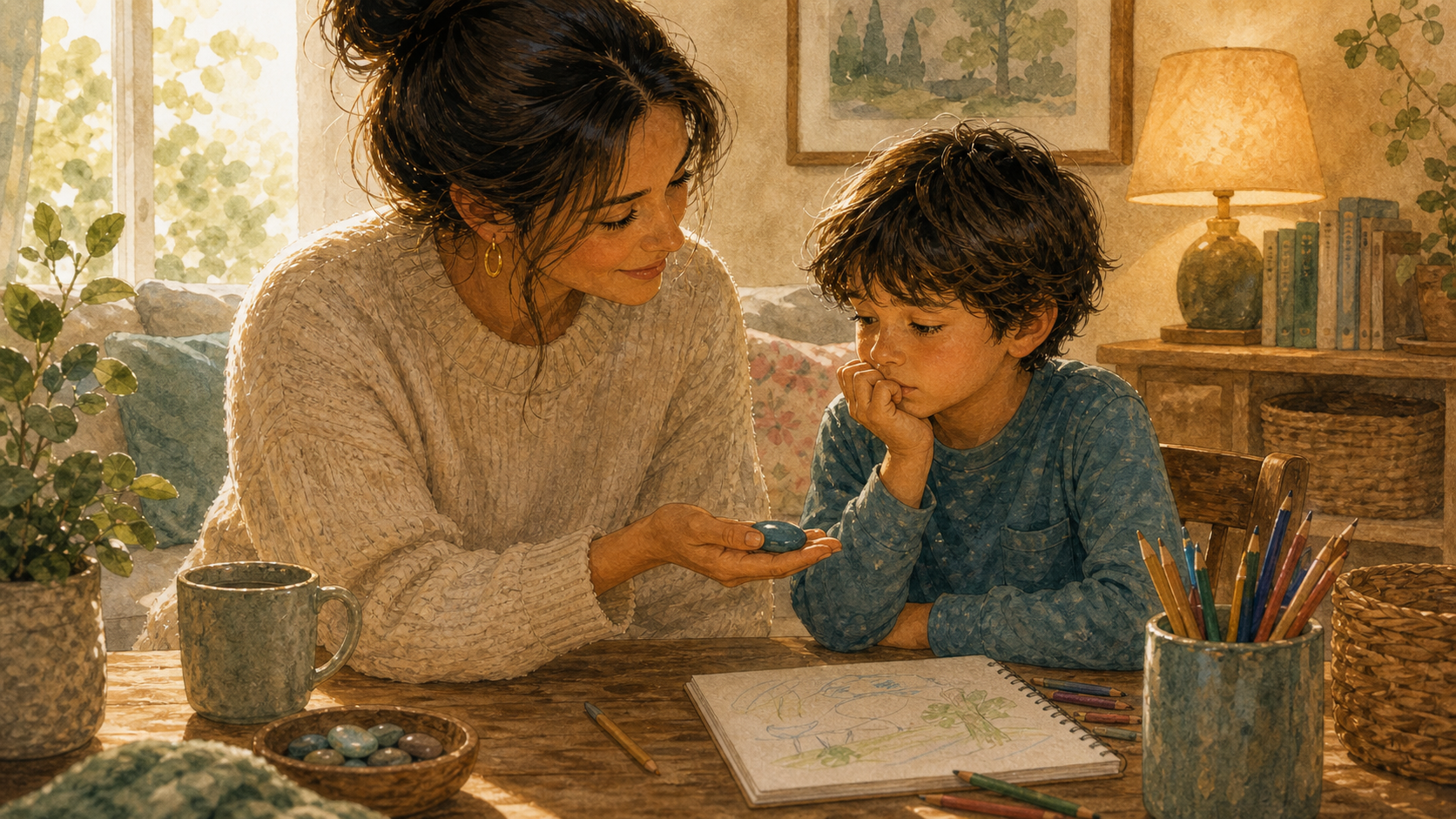
Nail biting is easy to notice and hard to stop noticing.
A parent sees the hand go to the mouth and wants to say something. Again. And again.
But nail biting can be many things: habit, boredom, sensory seeking, concentration, stress, or anxiety. The way adults respond can either reduce shame or add another layer of tension.
Is nail biting a sign of anxiety?
It can be, but it is not always.
Look for patterns. Does it happen more when your child is:
- watching intense shows
- doing homework
- before school
- in new places
- waiting
- tired
- trying not to cry
- answering hard questions
If nail biting clusters around stress, anxiety may be part of the picture.
When to ignore it
If nail biting is mild, not causing pain, infection, bleeding, social distress, or family conflict, constant reminders may not help.
Repeated correction can make the habit more loaded.
Instead, focus on overall regulation: sleep, routines, movement, and emotional language.
When to step in
Support is more important if nail biting causes:
- sore skin
- bleeding
- infection signs
- damaged nails
- shame
- teasing
- distress
- inability to stop despite wanting to
Talk with your pediatrician if there is pain, infection, or significant damage.
Respond without shame
Avoid:
“Stop that.”
“That’s disgusting.”
“Why do you keep doing it?”
Try:
“Your hands are looking for something to do. Let’s give them another job.”
This frames the behavior as a signal, not a character flaw.
Offer replacement tools
Replacement works better than pure stopping.
Try:
- smooth stone
- fidget ring
- soft fabric
- putty
- doodling
- holding a stuffed animal
- chewing-safe necklace if appropriate
- hand lotion ritual
Match the tool to the moment. A child who bites while concentrating may need a quiet hand tool. A child who bites when anxious may need reassurance plus a plan.
Make a private cue
If your child wants help noticing, choose a private signal:
- gentle tap on your own hand
- placing a fidget nearby
- a quiet phrase
Do not call it out publicly. Shame makes habits hide.
Address the worry underneath
If nail biting rises with anxiety, ask later during a calm moment:
“I noticed your hands were busy before school. Was something feeling big?”
Then listen. The nail biting may be the smoke, not the fire.
When to seek support
Seek support if nail biting is severe, harmful, linked with intense anxiety, or part of a larger pattern of repetitive behaviors, avoidance, or distress.
A Soothly bedtime reset
A story can help your child notice habits without shame.
For example:
“When Theo’s fingers wanted to nibble the worry away, he gave them a moon pebble instead. The worry still visited, but his hands had a kinder job.”
Create a story that gives worried hands a kinder job.
Create a calming bedtime story for tonight
Sources
- CDC: Anxiety and depression in children
- American Academy of Pediatrics / HealthyChildren: Anxiety disorders
- NHS: Anxiety disorders in children
- Child Mind Institute: What are the signs of anxiety in children?
- Cleveland Clinic: Anxiety in children
Frequently asked questions
Is nail biting a sign of anxiety in kids?
It can be, especially if it increases during stress, transitions, schoolwork, or worry. But nail biting can also be habit, boredom, or sensory seeking.
Should I tell my child to stop biting their nails?
Constant reminders often increase shame. If your child wants help, use a private cue and offer a replacement tool.
When should I worry about nail biting?
Seek help if there is pain, bleeding, infection, damaged nails, significant distress, teasing, or your child cannot stop despite wanting to.
What can replace nail biting?
Try a smooth stone, fidget, soft fabric, putty, doodling, or another hand activity matched to the situation.
How do I talk about it without shame?
Say, “Your hands are looking for something to do. Let’s give them another job.” Keep your tone calm and private.