Bedtime Separation Anxiety: Why It Happens & How to Help
By Tim Khuja · 9 min read
Last reviewed June 9, 2026
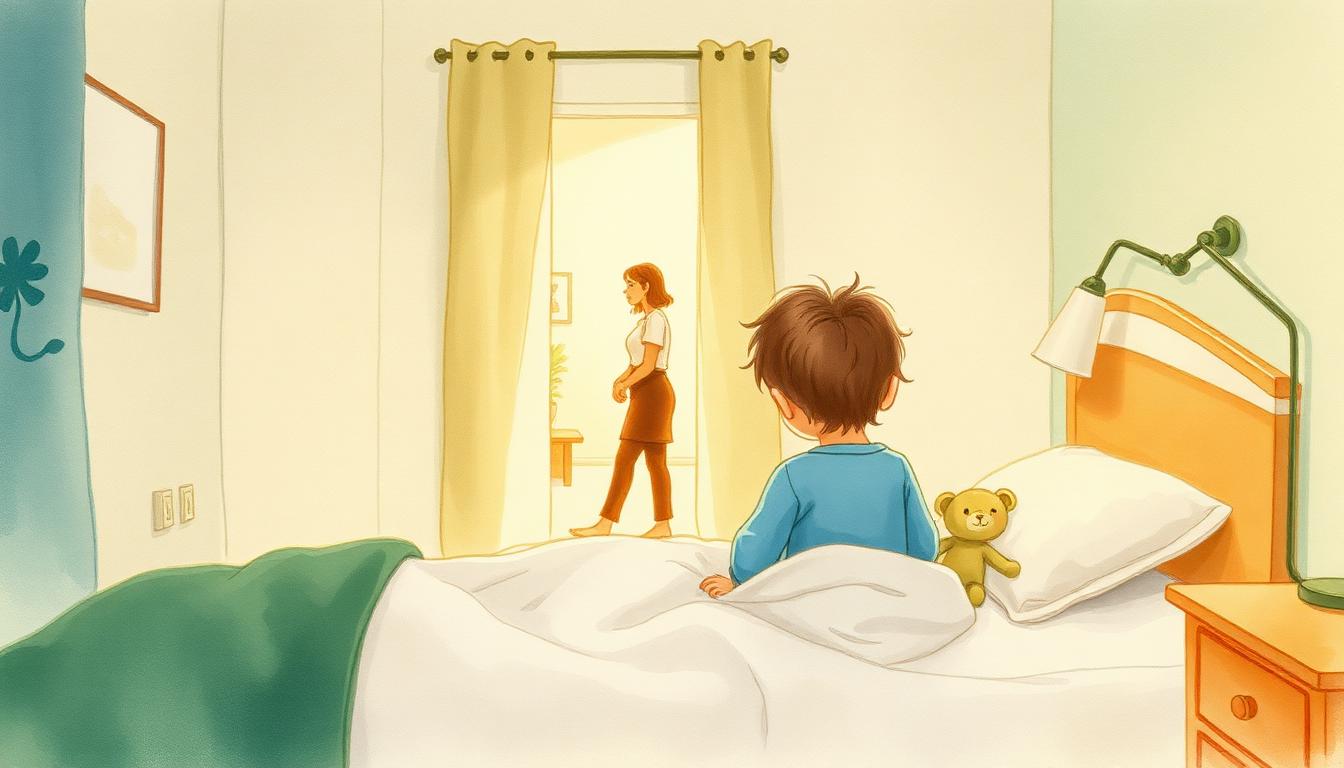
Why bedtime is when separation anxiety peaks
Bedtime is the longest stretch of the day when a child will be alone. Their brain knows this. Even if the day has been calm, the approach of sleep triggers a survival instinct: stay close to the caregiver. For children between 18 months and 5 years, this is biologically expected. It is not manipulation. It is attachment doing its job.
The trouble arises when the resistance becomes nightly, prolonged, and distressing — for the child and the parent. Understanding why the brain protests can help you respond with empathy instead of frustration.
What bedtime separation anxiety looks like
It rarely announces itself with a single dramatic scene. More often it arrives as a cluster of small, persistent requests:
- One more hug, then another, then another.
- A sudden fear of shadows or monsters that only appeared this week.
- Needing the exact door angle, light level, and blanket arrangement.
- Calling out every ten minutes with a new question or complaint.
- Falling asleep only when lying next to a parent, then waking in panic when they leave.
These behaviours are often a child's attempt to keep the connection alive. Sleep feels like a small death to the attachment system. The rituals are bridges.
Why the brain resists sleeping alone
During the day, a child is distracted by activity. At bedtime, the prefrontal cortex — the part that manages logic and reassurance — is tired. The amygdala, which scans for threats, becomes louder. Without the parent nearby, the amygdala interprets the dark and silence as potential danger. The child does not choose to be anxious. Their nervous system is sounding an alarm.
Research by Bowlby and Ainsworth on attachment theory shows that proximity to a secure base reduces cortisol and supports emotional regulation. When that proximity is removed, the alarm system activates. This is healthy attachment — but it needs gentle scaffolding, not forced extinction.
Practical strategies that work
1. Build a "handover" ritual, not just a bedtime routine
Most advice focuses on the pre-bed wind-down: bath, book, lights. But children with separation anxiety need a clear transition ritual — a specific, repeatable moment that signals "I am still here, even when you cannot see me."
Examples that parents have found effective:
- A special stuffed animal that "stands guard" and reports back to you.
- A phrase you say at the door, exactly the same way every night.
- A laminated photo of the family tucked inside the pillowcase.
- A small bell the child can ring once if they truly need you, knowing you will come.
The ritual must be honest. Do not promise to stay if you plan to leave. Instead, promise what is true: "I will check on you in ten minutes. I am just down the hall."
2. Use "check-ins" rather than staying until asleep
The gradual withdrawal method — sometimes called the camping-out approach — involves sitting near the bed, then gradually moving closer to the door over several nights. Studies, including randomised trials on behavioural sleep interventions, show that this approach reduces bedtime resistance without increasing child distress, provided the parent remains calm and consistent.
The key is predictability. If you say you will check in ten minutes, do it — even if the child is quiet. This builds trust in your word.
3. Make the room feel "held"
A child who fears separation often feels exposed in a dark, silent room. Small environmental changes can reduce that sense of vulnerability:
- A very dim night-light placed low, so it does not cast frightening shadows.
- White noise or a low lullaby that continues after you leave — a sonic reminder of your presence.
- The door left ajar instead of fully closed, so hallway sounds reach them.
- A small tent or canopy over the bed to create a contained, nest-like space.
4. Address daytime connection, not just bedtime behaviour
Sometimes bedtime anxiety is a signal that the child did not get enough focused connection during waking hours. This is especially true for working parents or families with multiple children. A dedicated ten-minute "special time" during the day — where the child leads the play and the parent follows without distraction — can reduce the urgency of bedtime clinging.
5. Use stories as emotional rehearsal
A personalised story in which a child character successfully spends a night alone — with a parent checking in, a guardian object, and a morning reunion — gives the child a mental template. They rehearse the separation in imagination before they live it in reality. Narrative transportation research shows that children who identify with a story character show reduced anxiety about the story's theme in real life.
What to avoid
- The silent exit: Sneaking out after the child falls asleep may seem kind, but when they wake and find you gone, the panic is worse. It teaches them they cannot trust that you will say goodbye.
- The bribe or threat: "If you stay in bed, you get a toy tomorrow" or "If you keep crying, I will close the door" both increase anxiety by making the separation feel conditional and unsafe.
- The all-or-nothing approach: Some parents swing between co-sleeping for weeks, then abruptly enforcing independent sleep. This inconsistency keeps the child's alarm system activated because they cannot predict the pattern.
When to seek extra support
If your child's bedtime distress includes frequent nightmares, night terrors, daytime clinginess that interferes with preschool or playdates, or if your own sleep deprivation is affecting your mental health, it may be time to consult a paediatric sleep consultant or child psychologist. There is no shame in asking for scaffolding. Every family needs support at different points.
A gentle closing thought
Bedtime separation anxiety is one of the most exhausting parenting challenges because it happens when you are already depleted. But it is also a sign that your child trusts you deeply. The goal is not to eliminate their need for you. It is to help them internalise your presence so thoroughly that they can carry it into sleep.
Frequently asked questions
Is it okay to lie down with my child until they fall asleep?
Yes, if it works for your family and your sleep is not suffering. The concern arises when it becomes the *only* way the child can sleep and you no longer have a sustainable path toward independent sleep. There is no developmental deadline. The goal is a gradual, respectful transition when both you and your child are ready.
At what age should a child sleep alone?
There is no universal age. Many children naturally begin sleeping independently between 3 and 5 years, but others need longer. What matters more than age is whether the child feels safe, whether the arrangement works for the family, and whether the child is developing daytime independence in other areas.
Why does my child suddenly fear the dark when they never did before?
A sudden fear of the dark often coincides with a developmental leap in imagination. The child can now imagine threats but cannot yet distinguish imagination from reality. This is normal and usually temporary. A low night-light and gentle reassurance — without dismissing the fear — usually helps it pass.
How long should bedtime take with a child who has separation anxiety?
Aim for a routine that lasts 20–30 minutes, plus up to 15 minutes of settling. If bedtime is regularly stretching past an hour, something in the routine or the daytime emotional landscape likely needs adjusting. Consider whether the child is overtired, overstimulated, or needing more daytime connection.
Will co-sleeping make my child dependent?
Research does not support the idea that responsive night-time parenting creates long-term dependency. Children who co-sleep or receive comfort at night typically develop secure attachment, which is associated with greater independence in later childhood. The key is that the arrangement works for everyone in the family.