Sibling Rivalry: Why Kids Fight and What Actually Helps
By Tim Khuja · 9 min read
Last reviewed June 9, 2026
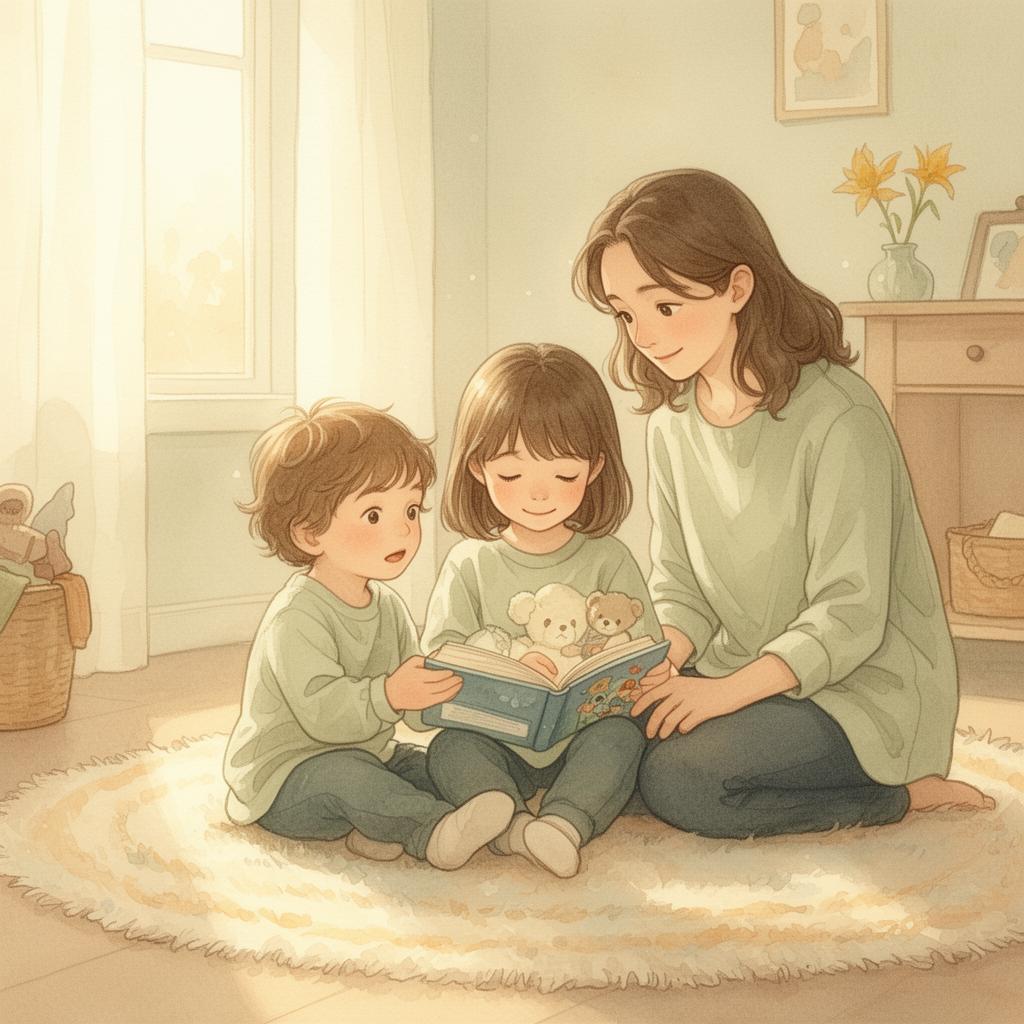
Sibling conflict is one of the most exhausting parts of parenting. The hitting, the shouting, the tattling, the endless "he started it." It happens in the background of everything else you're trying to do — cooking dinner, answering an email, having a moment of quiet. And it can make a parent feel like they're failing at the most basic job: helping their children get along.
But sibling rivalry is also one of the most misunderstood dynamics in family life. It isn't just about jealousy or bad behavior. It's about security, identity, and the fundamental question every child asks, sometimes silently: Am I still loved when my sibling is here?
Understanding that question — and responding to it — changes everything.
Why siblings fight
Children don't fight because they hate each other. They fight because they are competing for a scarce resource that they cannot name: the felt sense of being enough. Enough for you. Enough in the family. Enough as themselves.
Competition for attention. Every child has a deep need for individual recognition. When a sibling is born, the older child doesn't just lose attention — they lose a version of the world in which their needs were centrally met. This isn't selfishness; it's a survival-level recalibration.
Different developmental needs. A three-year-old and a six-year-old have almost nothing in common developmentally. What feels like a shared toy to one is a precious object to another. What looks like gentle teasing from an older sibling can feel like genuine threat to a younger one. Misunderstanding is constant.
Modeling and rehearsal. Children learn conflict from what they see — at home, at school, on screens. They also use sibling conflict as a safe place to practice asserting themselves, managing frustration, and testing boundaries. This doesn't excuse hitting or cruelty, but it explains why conflict is so frequent.
The shadow of fairness. "It's not fair" is the anthem of sibling rivalry. But children don't actually want identical treatment. They want to feel that their unique needs are seen. When one child gets a later bedtime, the other doesn't need the same bedtime — they need to feel that their own needs are equally important.
What doesn't help
Forced apologies. A child who is told to say "sorry" before they feel it learns to perform remorse, not to experience it. Real repair happens after calm has returned, not in the heat of the moment.
Taking sides. "You're the older one, you should know better" or "Stop being so sensitive" both teach children that one person's experience matters more. Over time, this builds resentment, not understanding.
Comparisons. Even positive comparisons — "Why can't you be more like your sister?" — create a competitive frame that pits children against each other. Every child needs to feel that their worth is independent of their sibling.
Ignoring everything. Some parents adopt a "let them sort it out" approach to all conflict. This can work for minor squabbles, but it leaves children without the skills to resolve real disputes. They need scaffolding, not abandonment.
What does help
See the need underneath the fight
Before addressing the behavior, ask yourself: What does each child need right now? Often, the hitting child needs power or connection. The crying child needs protection and comfort. Both may need reassurance that they matter to you.
You don't need to figure this out perfectly. Simply pausing to wonder shifts you from reactive to responsive.
Intervene with calm authority
When conflict escalates, step in with calm confidence: "I won't let you hit. Hitting hurts." Remove the aggressor gently, not punitively. Comfort the hurt child. This isn't about punishment — it's about safety. Children need to know that the adult will hold the boundary so they don't have to.
Then, once everyone is calm, you can address what happened.
Narrate without blaming
Help children understand what just happened, without assigning villain and victim: "You both wanted the truck. Jack grabbed it, and Lily pushed. That hurt. Let's figure out a way to solve this." This keeps both children in the story as people with needs, not as good and bad.
Create one-on-one time
Sibling rivalry often softens when each child feels individually seen. Even ten minutes of dedicated, phone-free time with each child, doing what they choose, can transform the family atmosphere. It doesn't have to be elaborate. It has to be real.
Define roles, don't force friendship
Children don't need to be best friends. They need to coexist with respect. Rather than insisting "you love each other," help them find their own connection: shared interests, inside jokes, collaborative projects. Sometimes the bond forms in spite of you, not because of you. Give it space.
Teach repair, not just rules
After conflict, when everyone is calm, guide your children through repair:
- "What happened?"
- "How do you think your brother felt?"
- "What could you do to help him feel better?"
The repair might be an apology, a shared activity, or simply leaving the other person alone for a while. Let the child choose. The goal is to build the habit of noticing harm and taking steps to mend it — a skill that serves them far beyond childhood.
Watch your own sibling story
Many parents carry unexamined stories about their own sibling relationships — favoritism they experienced, rivalry they never resolved, alliances they longed for. These stories shape how you see your children's conflicts, sometimes without your awareness. Reflect on your own history. It doesn't need to be fixed, but it helps to know it's there.
A note on blended and complex families
In blended families, step-siblings, half-siblings, and complex custody arrangements add additional layers to sibling dynamics. Each child may be navigating different levels of security, different rules in different homes, and grief for family structures that have changed. Go even more slowly. Prioritize individual connection. Don't expect instant bonds. Real relationships take time, especially when trust has been disrupted.
The long view
Sibling relationships are one of the longest relationships most people will have. What happens in childhood isn't destiny — but it sets a template. Children who learn to navigate conflict with support grow into adults who can tolerate disagreement, repair ruptures, and maintain closeness even when it's hard.
Your job isn't to eliminate conflict. Your job is to help your children feel safe enough within the family that conflict doesn't threaten their place in it. When each child knows, deeply, that they are loved for who they are — not for being easier, quieter, or more like you — rivalry loses its sharpest edge.
And sometimes, without anyone forcing it, they become friends.
Frequently asked questions
Is some sibling conflict actually healthy?
Yes. Siblings are often a child's first experience of negotiating conflict, sharing space, and repairing relationships. The goal isn't zero conflict — it's helping children learn to express needs, tolerate frustration, and repair after ruptures. What matters most is how conflict gets handled, not that it happens.
Should I treat my children equally to prevent rivalry?
Equal treatment sounds right, but children don't need identical treatment — they need to feel that their unique needs are seen and met. One child may need more physical affection; another may need more autonomy. Fairness is about responsiveness, not sameness. When each child feels deeply known, rivalry often softens.
What do I do when one child is consistently mean to the other?
First, address the behavior firmly but without shame: 'Hitting hurts. I won't let you hurt your brother.' Then get curious about what's underneath. Often, a child who lashes out at a sibling is feeling disconnected, displaced, or powerless elsewhere. Spend one-on-one time with the aggressor — not as a reward, but to address the unmet need driving the behavior.
How do I help siblings bond without forcing it?
Don't insist they be friends. Instead, create conditions where cooperation happens naturally: shared projects with defined roles, family rituals they both enjoy, and acknowledging their bond without pressure ('I noticed you both laughed at that joke'). Over time, warmth often grows when children aren't being pushed toward it.