Signs of Anxiety in 10-Year-Olds
By Soothly Editorial · 6 min read
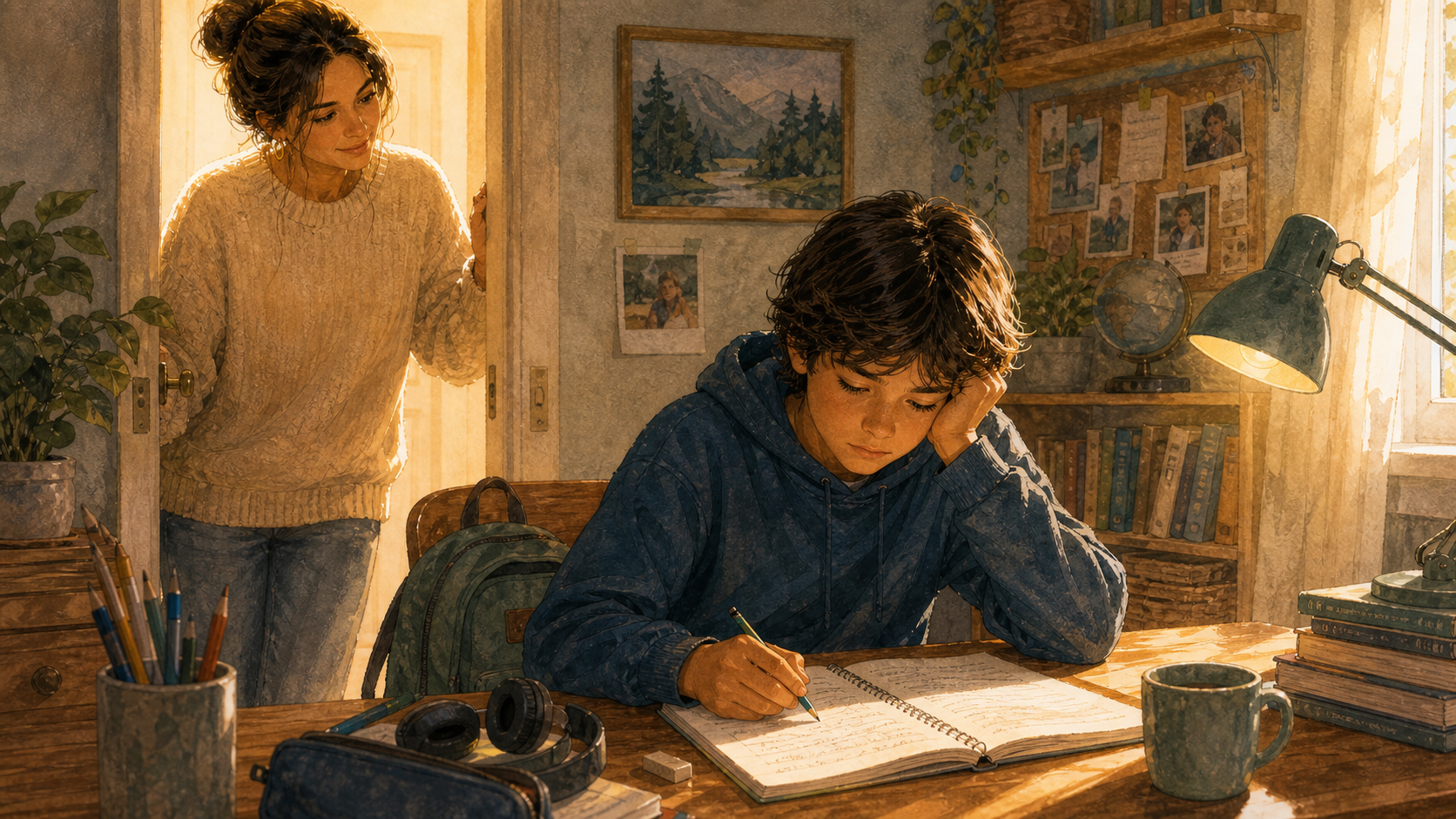
Ten-year-olds can be wonderfully thoughtful and unexpectedly private.
They may understand more than they can emotionally digest. They may notice friendship shifts, academic pressure, body changes, news, family stress, and the invisible rules of belonging.
That is why the signs of anxiety in 10-year-olds can look less like clinginess and more like irritability, avoidance, perfectionism, stomachaches, sleep trouble, or a child who suddenly says, "I don't want to go."
This guide helps you notice patterns without turning every hard day into a diagnosis.
Common signs of anxiety in 10-year-olds
Anxiety at this age may show up as:
- worrying about school performance
- fear of embarrassment
- avoiding clubs, sports, parties, or sleepovers
- repeated stomachaches, headaches, or nausea
- needing constant reassurance
- irritability or snapping
- trouble falling asleep
- perfectionism or procrastination
- asking to stay home from school
- emotional shutdown after school
- sensitivity to criticism
- checking messages, schedules, or assignments repeatedly
Some ten-year-olds can explain their fear. Others only know that something feels wrong.
Anxiety can hide behind anger
At ten, a child may feel embarrassed by fear. Instead of saying "I am scared," they might argue, refuse, roll their eyes, or explode.
Underneath the behavior may be a question:
"Can I handle this?"
You can hold the boundary and still name the feeling:
"You do not have to speak to me that way. I also wonder if this feels bigger than it looks. Let's slow down."
That keeps dignity in the room.
School and social anxiety
Ten-year-olds often worry about being judged. They may fear reading aloud, changing friendship groups, being left out, performing poorly, or looking different.
Watch for avoidance patterns. One skipped activity may be normal. A growing pattern of avoiding anything uncertain may mean anxiety is shrinking your child's world.
A useful question is:
"Is this helping them recover, or helping anxiety take more space?"
Rest matters. Avoidance can also become sticky.
Physical symptoms deserve respect
Anxiety can create real body sensations: stomach pain, nausea, sweating, dizziness, a racing heart, tight muscles, and headaches.
Respond with both care and perspective:
"I believe your stomach hurts. Let's check what your body needs, and then we will decide the next small step."
If symptoms are persistent, severe, new, or interfering with life, speak with a pediatrician.
What parents can do
Support works best when it is calm, consistent, and not too wordy.
Try:
- making routines visible
- practicing one brave step at a time
- reducing repeated reassurance loops
- helping your child name body signals
- keeping bedtime predictable
- encouraging movement, food, sleep, and daylight
- praising flexible thinking
- separating the child from the worry: "anxiety is loud today"
Avoid long lectures during the anxious peak. Ten-year-olds often hear more once their body has settled.
When to seek extra help
Get support if anxiety interferes with school attendance, learning, friendships, sleep, eating, or family life. Also reach out if your child talks about hopelessness, has panic-like episodes, or avoids more and more normal activities.
A therapist trained in child anxiety can help your child practice skills gradually. You do not need to wait until things are unbearable.
A Soothly bedtime reset
A ten-year-old may not want a "babyish" story, but they may still need narrative comfort. Keep it respectful and imaginative.
For example:
"The mapmaker drew every possible wrong turn until the page became crowded. Then a quiet compass appeared and pointed to one small road: the next step, not the whole journey."
Turn tonight's worry into a calmer story.
Create a calming bedtime story for tonight
Sources
- CDC: Anxiety and depression in children
- American Academy of Pediatrics / HealthyChildren: Anxiety disorders
- NHS: Anxiety disorders in children
- Child Mind Institute: What are the signs of anxiety?
- Cleveland Clinic: Anxiety in children
Frequently asked questions
What are common signs of anxiety in a 10-year-old?
Common signs include school worry, avoidance, irritability, perfectionism, stomachaches, sleep trouble, fear of embarrassment, and repeated reassurance.
Can anxiety look like anger at age 10?
Yes. Some children feel embarrassed by fear and show it as arguing, refusal, snapping, or shutdown.
Why does my 10-year-old avoid activities suddenly?
Avoidance can grow when a child fears embarrassment, failure, separation, social judgment, or body symptoms.
How can I help without over-reassuring?
Answer once with warmth, then coach a coping phrase or small next step instead of repeating certainty.
When is professional support needed?
Get support if anxiety affects school, sleep, eating, friendships, daily routines, or causes panic-like episodes or persistent avoidance.