Signs of Anxiety in Preschoolers (Age 3-5)
By Soothly Editorial · 6 min read
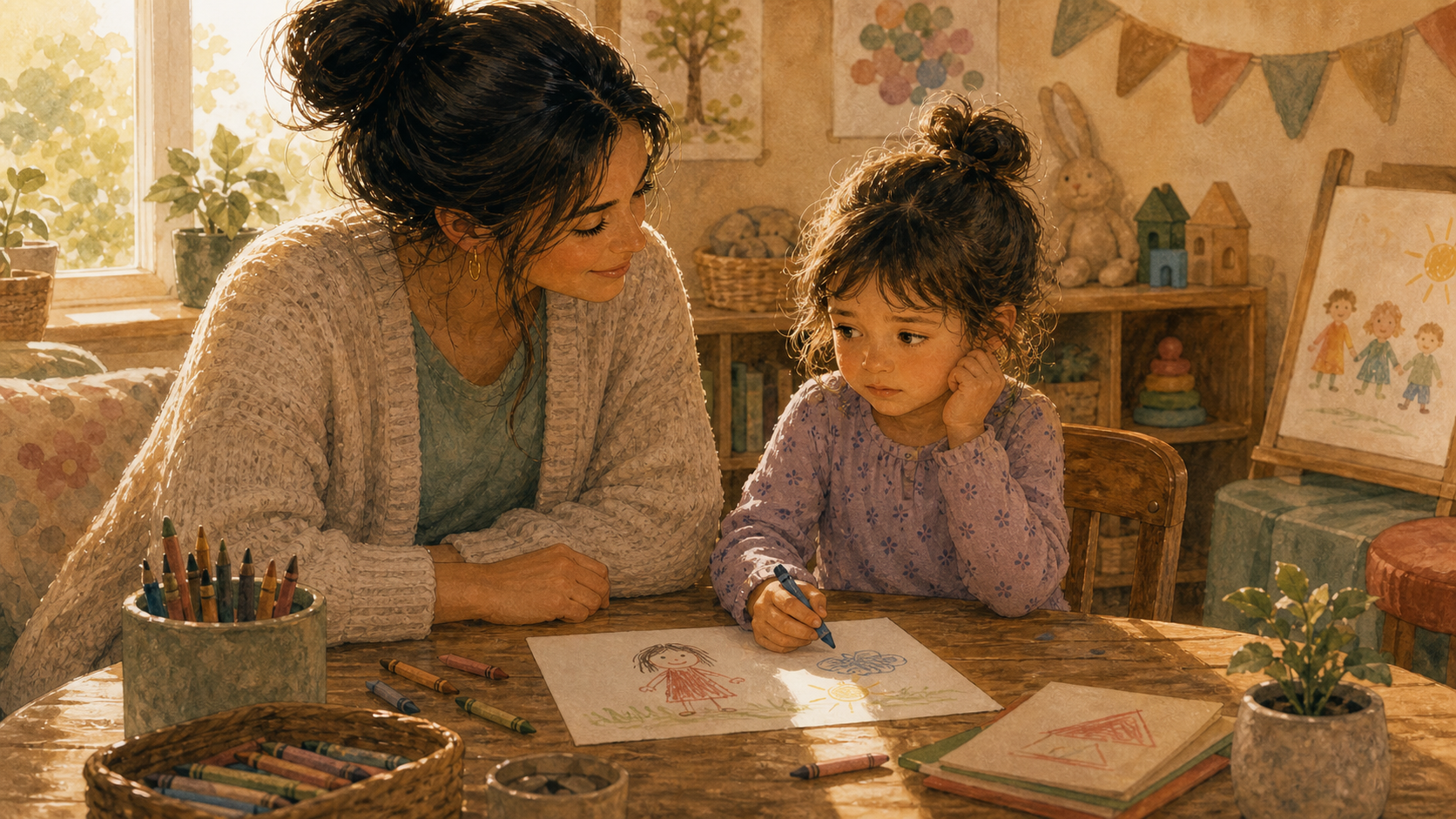
Preschoolers have big imaginations and limited coping skills.
That combination can make anxiety look loud, confusing, or very physical. A worried preschooler may not say, “I am anxious.” They may refuse, melt down, ask the same question, cling, complain of a tummy ache, or suddenly insist they cannot do something they did yesterday.
Common signs of anxiety in preschoolers
Watch for patterns, not one-off moments.
Signs can include:
- clinginess
- tantrums before transitions
- avoiding new places
- stomachaches
- bedtime fears
- repeated questions
- needing constant reassurance
- fear of mistakes
- freezing or hiding
- toilet regressions
- trouble separating
- irritability
Anxiety or normal preschool behavior?
Preschoolers are still learning flexibility, sharing, sleep, and separation. Big reactions can be normal.
Anxiety becomes more likely when the fear is intense, persistent, predictable, or stops your child from doing age-typical things.
Ask:
- Is this happening often?
- Is my child avoiding things they want or need to do?
- Is sleep, eating, childcare, or family life affected?
- Does reassurance only help for a minute?
Why preschool anxiety can look like defiance
A preschooler may refuse shoes, scream at drop-off, or run away from a birthday party. It can look like “bad behavior.”
But the nervous system may be saying: too much, too new, too uncertain.
That does not mean there are no boundaries. It means boundaries work better when paired with emotional support.
What to say
Try:
“This feels hard. We can do hard things one small step at a time.”
Or:
“Your worry says no. I will help your brave body try.”
Keep language concrete. Preschoolers need short phrases, not lectures.
What helps
Helpful supports include:
- visual routines
- previewing transitions
- one comfort object
- small brave steps
- calm repetition
- less repeated reassurance
- enough sleep
- naming feelings through play
Play is especially useful. A puppet or stuffed animal can practice the scary step first.
When to seek support
Talk with your pediatrician or a child therapist if anxiety is intense, lasts for weeks, disrupts preschool, sleep, eating, play, or family life, or leads to frequent physical complaints or avoidance.
A Soothly bedtime reset
A story can let preschoolers practice bravery through a character.
For example:
“Poppy’s worry wore big boots and stomped in front of the art table. Poppy gave the boots a tiny chair and picked up one crayon anyway.”
Create a story that helps your preschooler take one brave step.
Create a calming bedtime story for tonight
Sources
- CDC: Anxiety and depression in children
- American Academy of Pediatrics / HealthyChildren: Anxiety disorders
- NHS: Anxiety disorders in children
- Child Mind Institute: What are the signs of anxiety in children?
- Cleveland Clinic: Anxiety in children
Frequently asked questions
What are signs of anxiety in preschoolers?
Signs can include clinginess, tantrums, avoidance, repeated questions, reassurance-seeking, stomachaches, bedtime fears, perfectionism, or trouble separating.
Can preschool anxiety look like defiance?
Yes. Refusal, running away, or tantrums can be anxiety responses when a child feels overwhelmed.
How do I know if it is normal?
Look at frequency, intensity, avoidance, and whether sleep, preschool, eating, play, or family life is affected.
What helps preschool anxiety?
Visual routines, transition previews, comfort objects, small brave steps, calm repetition, and play-based practice can help.
When should I seek help?
Seek support if anxiety lasts for weeks, disrupts daily life, causes frequent physical symptoms, or leads to major avoidance.