Sleepover Anxiety: Is My Child Ready?
By Soothly Editorial · 6 min read
Last reviewed June 10, 2026
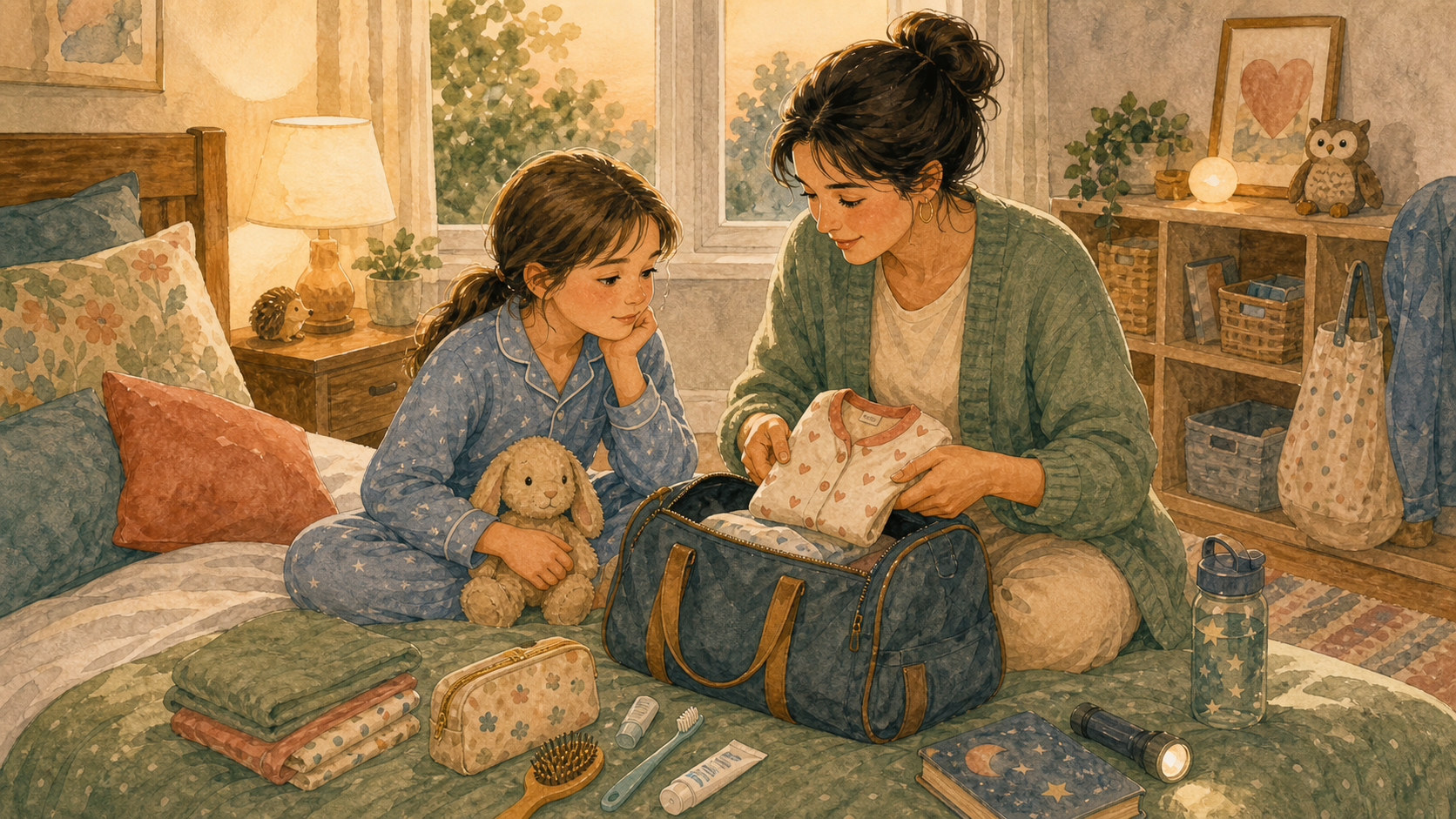
Sleepovers can look simple from the outside: pajamas, snacks, a movie, maybe pancakes in the morning.
For an anxious child, a sleepover is a long separation in the dark. It includes bedtime, unfamiliar sounds, different rules, and the possibility of missing home when everyone else seems fine.
The question is not "Should my child be brave enough?" The question is "Are they ready for this kind of brave step?"
Signs your child may be ready
A child may be ready when they can:
- sleep independently most nights
- separate for playdates without major distress
- ask for help from another adult
- understand the pickup plan
- tolerate some homesickness
- follow basic safety rules
- genuinely want to try
Wanting the idea of a sleepover is not the same as being ready for the night.
Signs to wait
It may be better to wait if your child:
- panics at bedtime away from you
- cannot sleep without a parent nearby
- has intense separation anxiety right now
- is afraid to ask another adult for help
- is going only because of pressure
- has not spent time with the host family
Waiting is not failure. It is pacing.
Try a ladder instead
Build toward a sleepover gradually:
- dinner at the friend's house
- pajamas and movie, then home
- late pickup
- cousin or grandparent sleepover
- full sleepover with a clear pickup plan
This lets your child practice the parts before doing the whole thing.
Make an exit plan
Some parents fear an exit plan will make a child use it. Often, it helps them try.
Say:
"We think you can try. If your body gets too scared to sleep, the grown-ups will help and we will make a plan."
Avoid shame if they come home. The goal is honest practice, not performance.
Safety matters too
Know the host family, sleeping setup, supervision, phone rules, and whether your child can contact you. Emotional readiness and physical safety both matter.
A Soothly bedtime reset
"The little otter packed moon socks, a toothbrush, and a tiny shell from home. The shell did not make him stay all night. It simply reminded him that brave can be practiced in steps."
Create a gentle separation story for tonight.
Create a calming bedtime story for tonight
Frequently asked questions
What age is right for a first sleepover?
There is no universal age. Readiness depends on sleep independence, trust in the host family, anxiety level, and your child’s ability to ask for help.
Should I force my child to try a sleepover?
No. Use a gradual ladder such as dinner, late pickup, or a family sleepover before a full overnight.
Is an exit plan a bad idea?
No. A calm exit plan can help anxious children try because they know help is available.
What if my child comes home early?
Avoid shame. Treat it as practice and decide the next smaller step.
What safety questions should I ask?
Ask about supervision, sleeping arrangements, phone access, house rules, and whether you know and trust the adults.