Stories About Anger for Kids 3–7: Benefits and Tips
By Tim Khuja · 7 min read
Last reviewed June 9, 2026
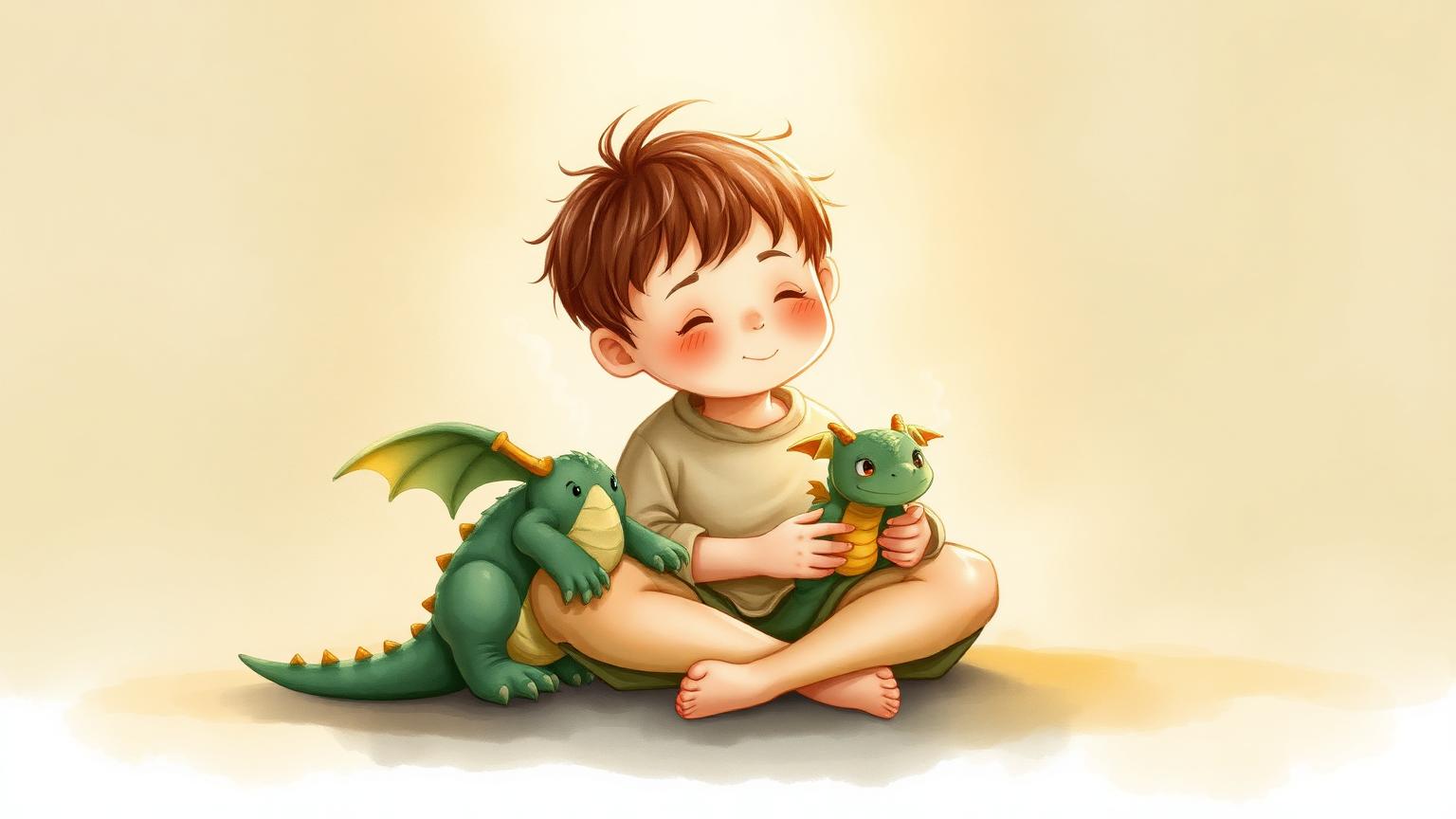
When a 4-year-old throws a shoe, screams "I HATE YOU", and slams a door, it can feel like something has gone very wrong. It hasn't.
Anger in young children isn't a sign of a bad child or a bad parent. It's a sign of a nervous system that's overwhelmed and a brain that hasn't yet built the wiring to handle big sensations.
The good news: stories — the right ones — are one of the most effective, gentle ways to help children 3 to 7 build that wiring. Here's why, and what to look for.
Why anger feels so big at this age
Between 3 and 7, children have huge feelings and tiny tools. The part of the brain that helps us pause, reflect, and choose a response (the prefrontal cortex) is still under construction — and won't be fully wired until their mid-20s.
So when a small child is angry, they aren't choosing to be unreasonable. They are flooded. The thinking brain is offline. What they need first is co-regulation (your calm) and only later, gently, the language and stories that help them understand what happened.
Why stories work where lectures don't
When we explain anger to a child in the heat of the moment — or even after — most of it doesn't land. But a story slips in sideways. A child watching a small fox boil over, hide under a log, and slowly find their breath again is rehearsing those exact pathways in their own brain. Researchers call this narrative transportation: children mentally try on the character's experience.
A well-chosen anger story does three things at once:
- Names the feeling without making it shameful.
- Shows it's survivable — the character isn't broken by their anger.
- Models a way through — a breath, a pause, a return to connection.
What makes an anger story actually helpful
Not every "angry character" book does this work. Some accidentally model anger as funny, or rush to a moral. Look for stories that:
- Validate the feeling first. The character is allowed to be angry. No one shames them out of it.
- Show the body of anger. Hot cheeks, tight fists, a thunderstorm in the chest. This helps children name their own sensations.
- Include a co-regulator. A wise grandmother, a calm friend, a steady tree. Anger is rarely solved alone at this age.
- End in repair, not punishment. The character makes things right with someone they love. This is where the healing happens.
- Avoid scary or violent imagery. A small storm is metaphor. A monster smashing things is overwhelm.
How to use an anger story
Not in the middle of the meltdown. A flooded child can't hear a story. Use stories in the calm — the bath, the bedtime cuddle, the quiet morning after.
Read it more than once. Children love repetition because repetition is how the brain wires in a new pathway. The same story, the same week, can become a quiet anchor.
Borrow the language afterwards. "Remember how Mira felt the storm in her chest? I think you might have a storm in your chest right now." Suddenly your child has words.
Let them talk about the character, not themselves. It's often easier for a child to say "the bear was so angry because everyone was loud" than to say "I was angry because everyone was loud." The character is the bridge.
Themes that resonate with 3–7-year-olds
- The volcano or storm that learns to breathe
- The little wolf who roars too loud and scares a friend, then makes repair
- The bear who needs a cave (a quiet, safe spot) before they can talk
- The fire dragon whose flames soften when someone listens
- The child whose feeling has a name and a shape and a goodbye
A personalised story for your child
Generic stories help. A personalised one — with your child's name, their actual situation, the sibling they're fighting with, the school they go to — lands deeper. When a child hears themselves survive an anger storm and come back to love, it's not a fairy tale anymore. It's a memory of themselves being capable.
That's the work of a good anger story for a small child. Not to stop the anger. To help them know it's not bigger than they are.
Frequently asked questions
Will reading anger stories give my child ideas about being angry?
No. Children already feel anger — stories give the feeling language and a path. Research consistently shows naming emotions reduces their intensity, not increases it.
What if my child gets upset during the story?
That's often a good sign — it means the story is touching something real. Pause, hold them, and let them lead. You can always come back to it another night.
How young can I start reading anger stories?
As young as 2.5–3, with very simple stories and short text. The visual rhythm of the book matters more than the words at this age.
What if my child has been angry for weeks and stories aren't enough?
Stories are one piece. If anger is constant, escalating, or paired with hurting themselves or others, it's worth talking with your paediatrician or a child therapist. You're not overreacting.