Walking Meditation for Kids
By Soothly Editorial · 5 min read
Last reviewed June 13, 2026
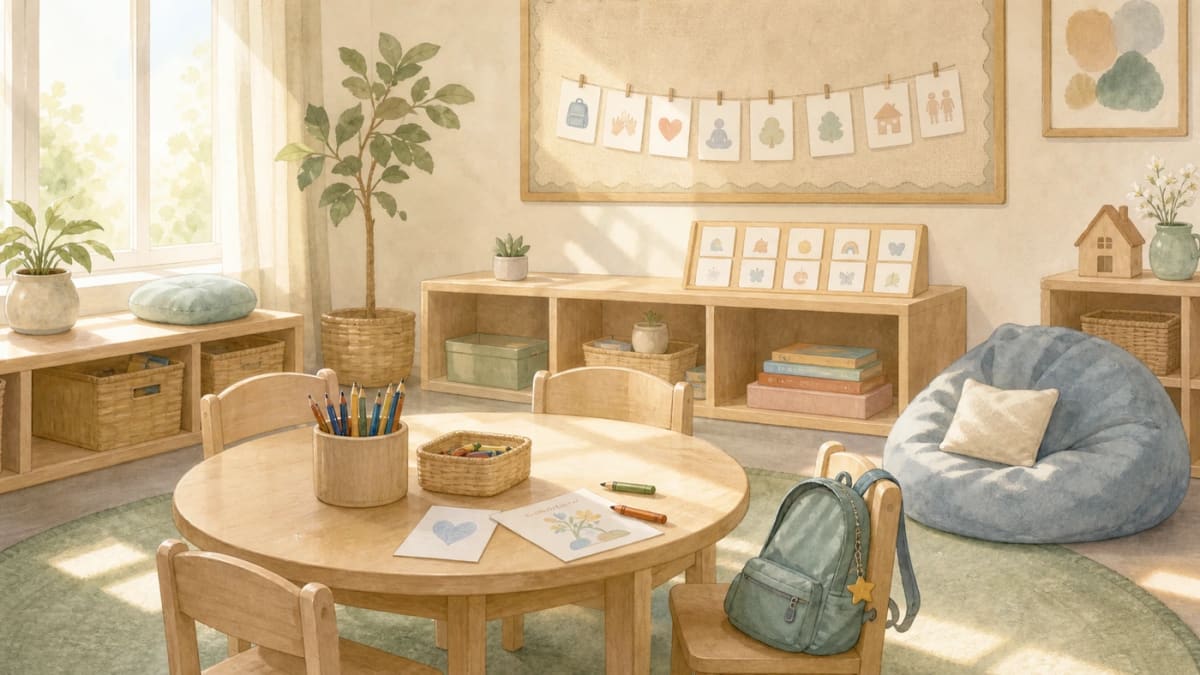
Walking meditation for kids is useful because many children calm more easily while moving than while sitting still. It gives the body something rhythmic to do while the mind has a simple place to land.
This article covers walking meditation kids in a practical, parent-friendly way.
The careful answer
Keep walking meditation short and concrete. Walk slowly, notice feet, notice breath, notice one sound, and return to the next step. It can happen in a hallway, garden, or around the bedroom.
How to know if it is calming
Calming is not always quiet at first. A child may need pressure, movement, or tactile input before they can become still. Watch for the signs that the body is settling: slower voice, softer face, less frantic movement, easier transitions, or the ability to accept one small instruction. If the activity makes your child louder, faster, more rigid, or more upset, it may not be the right tool for that moment.
The best calming activities are repeatable. A child should not have to learn a brand-new game when they are already overloaded. Pick two or three familiar options and use the same words each time: "Your body needs help settling. Let's try the wall pushes," or "Hands can work while feelings soften."
It helps to think in three categories. Heavy work gives muscles and joints clear input: pushing, carrying, squeezing, crawling, or pressing. Slow rhythm gives the body a predictable pattern: rocking, walking, tracing, breathing, or stretching. Soft sensory input lowers the room's intensity: dim light, quieter sound, cozy texture, or a familiar smell. Most children have a category that works better than the others. Once you notice it, bedtime and big-feeling moments become easier to plan.
What to try
Try "heel, toe, pause" for ten steps. Or ask your child to walk like a quiet fox, a sleepy bear, or an astronaut on the moon. The playful image helps children slow down without feeling controlled.
Keep the activity short at first. Two minutes is enough. You can always continue if it is helping. If you are using the activity before bedtime, lower the stimulation around it: dimmer light, fewer questions, slower voice, and a clear finish.
You can also use a simple before-and-after check. Before the activity, ask yourself: is my child getting faster, louder, more rigid, or more tearful? After the activity, look again. You are not looking for instant happiness. You are looking for a small sign of more capacity: a slower breath, a softer answer, or the ability to move to the next step.
If the activity works, make it boringly familiar. Use it at neutral times, not only during crisis. A tool practiced during calm moments is easier to accept when feelings are big.
You can name it in the child's language too: "quiet hands," "sleepy dragon breath," "moon walk," or "soft-body time." Familiar names reduce negotiation.
What to avoid
The common mistake is expecting silence. Some children regulate through talking. You can still make it mindful by giving the talk a focus: "Tell me three things your feet notice."
Also avoid presenting calming tools as punishment. A calm corner, breathing practice, yoga pose, or sensory tool should not mean "you are in trouble." It should mean "your body deserves support." That distinction matters, especially for children who already feel ashamed of big feelings.
A simple parent script
Try saying: "Your body is having a hard time. We do not have to solve everything right now. Let's help your body first." Then offer one option. If your child refuses, model it quietly yourself or switch to making the environment calmer. Sometimes the parent becoming slower is the first regulating activity in the room.
A Soothly way to use story
A story can turn walking meditation into a bedtime path: the character follows ten moonstones, and each step tells the body it is closer to rest.
A short personalized story can rehearse the calming tool before the hard moment. The story should stay small: one feeling, one helper, one body-based step, and one peaceful ending. That gives the child a picture they can return to later.
Create a calming bedtime story for tonight
Sources
- HealthyChildren: Healthy sleep habits
- CDC: Children's mental health
- Child Mind Institute: Mindfulness and kids
Frequently asked questions
Can I use this at bedtime?
Yes. Keep the tone gentle and avoid turning the article into a lecture.
Should I do every step?
No. Choose one small step that fits your child and the moment.
What if my child refuses?
Make the step smaller, offer two choices, or simply stay nearby calmly.
Is this a replacement for professional help?
No. Seek support if distress is frequent, unsafe, or disrupting sleep, school, or family life.
Can I personalize this?
Yes. Use your child's age, comfort objects, routines, and language.