What to Do During a Night Terror: A Calm 5-Step Script
By Dr. Tim Khuja · 6 min read
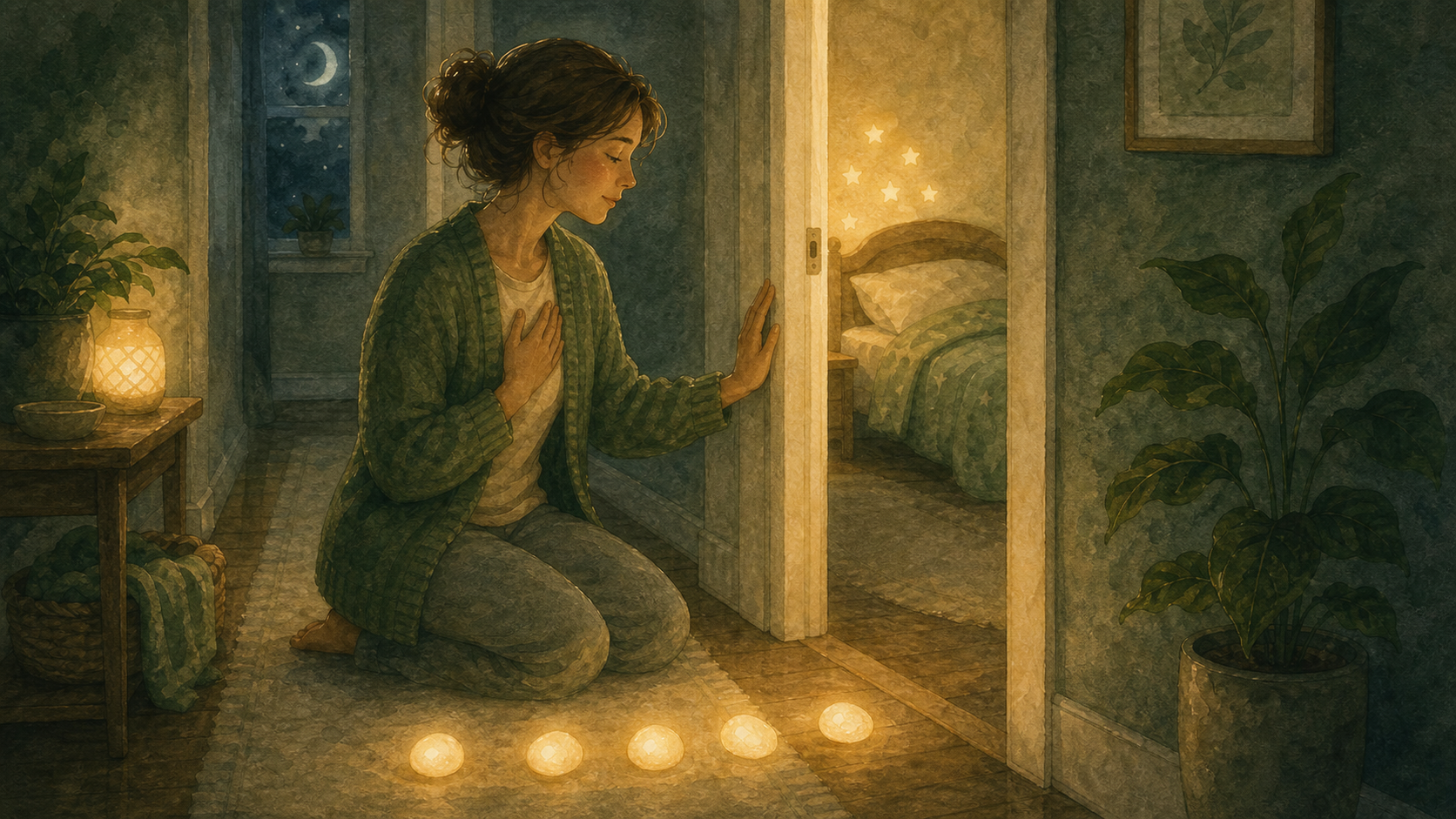
When your child is screaming in the night, you do not need a theory.
You need a script.
Night terrors can make a parent feel helpless because the usual tools do not work. Your child may not wake fully. They may not recognize you. They may push you away. They may seem terrified but unreachable.
So what should you do during a night terror?
Use this calm 5-step script:
- Pause and ground yourself.
- Make the space safe.
- Speak softly, not logically.
- Do not force waking.
- Let the episode pass, then reset quietly.
Step 1: Pause and ground yourself
Before you rush into action, take one breath.
Say silently:
“This may be a night terror. My job is safety and calm.”
That one sentence helps you avoid the two most common panic moves: shaking your child awake or trying to reason with a child who is not fully awake.
You are not doing nothing.
You are becoming the calmest thing in the room.
Step 2: Make the space safe
Look around quickly.
Move:
- hard toys
- sharp objects
- bedside clutter
- chairs
- anything they could trip over
If your child is in bed, stay close. If they sit up, stand, or walk, gently guide them away from danger.
Do not hold them down unless there is immediate danger. Many children become more upset when restrained during a night terror.
Think:
quiet guardrail.
Step 3: Speak softly, not logically
Your child may not be awake enough to understand explanations.
Skip:
“There is nothing to be scared of.”
“Wake up.”
“Tell me what happened.”
Try:
“You’re safe.”
“I’m here.”
“This will pass.”
“I’ll stay close.”
Use fewer words than you want to use.
Your tone matters more than the sentence.
Step 4: Do not force waking
Usually, do not shake or force your child awake during a night terror.
Trying to wake them can make them more confused, more upset, or harder to settle.
If they begin to wake naturally, keep things calm. If they stay in the episode, keep them safe and wait.
This can feel hard because your parent brain wants to fix it.
But for night terrors, fixing often means not escalating.
Step 5: Let it pass, then reset quietly
Most night terrors end on their own.
Afterward, your child may lie back down, calm suddenly, or return to normal sleep. Keep the lights low. Avoid turning the room into a big event.
If your child wakes fully and seems confused, say:
“You had a hard sleep moment. You’re safe. It’s over.”
Then help them settle.
What to do the next morning
If your child remembers nothing, do not give a dramatic recap.
Say:
“Your body had a hard sleep moment. You were safe, and it passed.”
If they ask questions, answer gently. If they do not ask, move on.
Too much detail can create a new bedtime fear, especially for imaginative children.
What to write down
If night terrors repeat, track:
- bedtime
- episode time
- how long it lasted
- illness
- naps
- stress
- travel
- screen use
- snoring
- whether your child left bed
Patterns help you decide what to change and what to ask your doctor.
When to call a doctor
Talk to your doctor if:
- episodes are frequent
- your child could get hurt
- they leave the room
- sleep is disrupted often
- your child is very tired during the day
- there is loud snoring
- breathing pauses are possible
- movements look unusual
- you are worried about seizures
- your instinct says something is wrong
You do not need to wait until you are certain.
The script in one place
During the episode:
“You’re safe. I’m here. This will pass.”
Afterward:
“You had a hard sleep moment. You’re safe. It’s over.”
In the morning:
“Your body had a hard sleep moment. You did nothing wrong.”
That is enough.
A Soothly bedtime reset
The next bedtime does not need to become a lecture about night terrors.
Use a soft story to restore safety.
For example:
“The little otter’s room was quiet, but his body still remembered the rushing river. The Lantern Shell glowed beside him and whispered, ‘The river is done for today. You can float now.’”
Create a story that helps bedtime feel safe again.
Create a calming bedtime story for tonight
Sources
- American Academy of Pediatrics / HealthyChildren: Nightmares, Night Terrors & Sleepwalking
- Mayo Clinic: Sleep terrors symptoms and causes
- Mayo Clinic: Sleep terrors diagnosis and treatment
- Cleveland Clinic: Night Terrors
Frequently asked questions
What should I do during a night terror?
Stay calm, keep your child safe, speak softly, avoid forcing them awake, and let the episode pass.
Should I touch or hold my child?
Only if needed for safety or if your child accepts it. Some children become more upset when touched during a night terror.
What should I say?
Use short, calm phrases like “You’re safe,” “I’m here,” and “This will pass.” Avoid long explanations.
Should I wake my child?
Usually, no. Forcing a child awake can make them more confused or upset.
When should I get help?
Talk to a doctor if night terrors are frequent, dangerous, unusual, disrupt sleep, involve leaving the room, or come with daytime tiredness, snoring, breathing issues, or seizure-like movements.