When is Separation Anxiety a Disorder? A Parent's Guide
By Tim Khuja · 11 min read
Last reviewed June 9, 2026
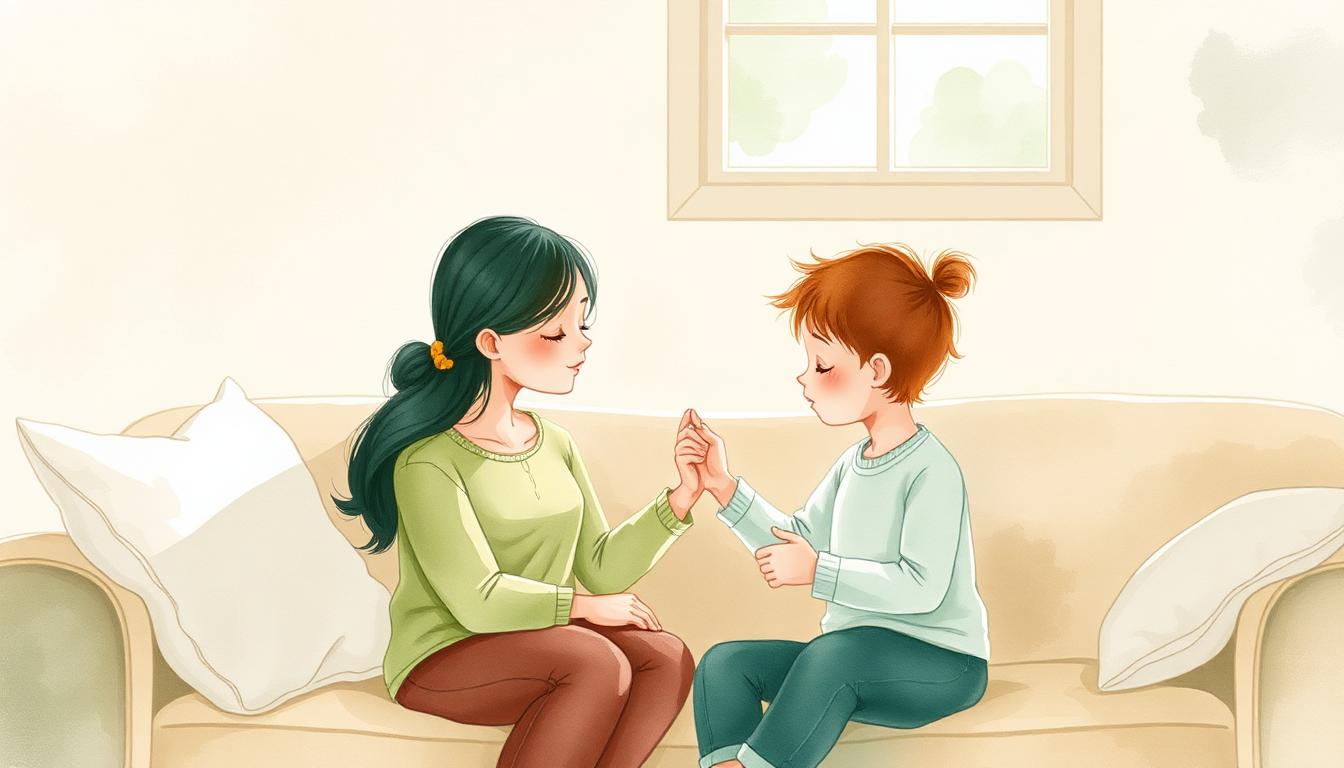
Normal separation anxiety vs. problematic separation anxiety
Crying at nursery drop-off. Clinging at bedtime. Wanting a parent nearby during a thunderstorm. These are all normal expressions of attachment. A child who feels safe enough to show distress is a child who trusts their caregiver. The goal is not to eliminate the feeling — it is to help the child tolerate it and recover.
Separation Anxiety Disorder (SAD) is different. It is not just a stronger version of the same feeling. It is a pattern of fear that is excessive, persistent, and developmentally inappropriate, lasting at least four weeks in children and significantly impairing daily functioning.
The distinction matters because the response is different. Normal anxiety needs empathy, predictability, and time. Clinical separation anxiety may need those things plus structured intervention from a professional.
Red flags by age
Toddlers and preschoolers (under 5)
- Refusing to sleep alone for months with no improvement despite consistent routines.
- Extreme and consistent distress that does not ease even after the parent has been gone for an hour.
- Persistent nightmares about separation or harm coming to the parent.
- Physical symptoms (vomiting, diarrhoea, headaches) that appear only before separations.
- Refusal to attend nursery or playgroup even after a lengthy settling-in period.
School-age children (5–11)
- Refusal to attend school that persists for weeks and is accompanied by significant distress.
- Worrying that harm will come to a parent during routine separations (car accidents, illness) on a near-daily basis.
- Refusing to sleep at friends' houses or go on school trips that peers manage easily.
- Physical complaints that are frequent enough to trigger medical investigations with no findings.
- Clinging that interferes with the child's ability to learn, play, or form peer relationships.
Pre-adolescents (12+)
- While separation anxiety is less common in older children, when it does appear it often centres on fear of being away from home overnight, refusal to attend secondary school, or excessive worry about a parent's health during travel.
How SAD differs from general anxiety
Generalised Anxiety Disorder (GAD) in children tends to focus on a broad range of worries: school performance, world events, health, the future. The anxiety is free-floating and not specifically triggered by separation.
Social Anxiety Disorder centres on fear of evaluation or embarrassment in social situations. The child may avoid school, but the fear is of peers or teachers judging them, not of being away from the parent.
Separation Anxiety Disorder is specifically about the fear of being apart from attachment figures and the worry that something terrible will happen to them or to the child during the separation. The content of the worry is narrower, but the intensity can be severe.
What to do if you suspect SAD
1. Start with your paediatrician
A good first step is a medical check-up. Some physical conditions — chronic infections, sleep apnoea, gastrointestinal issues — can mimic or worsen anxiety. Ruling these out gives you a clearer picture.
2. Seek a child psychologist or psychiatrist
If symptoms are impairing school attendance, sleep, or family functioning, a referral to a child mental health professional is appropriate. They will conduct a structured assessment, often including interviews with the child, the parents, and sometimes the teacher.
The most effective treatment for childhood separation anxiety is Cognitive Behavioural Therapy (CBT), sometimes adapted into a family-based format. Meta-analyses show that CBT produces large effect sizes for childhood anxiety disorders, with benefits that persist at follow-up.
3. Consider whether you need support too
Parents of children with separation anxiety often develop their own anxiety — about the child's distress, about being a "bad parent" for pushing them, about judgement from others. Your wellbeing matters. A therapist can help you manage your own reactions so you can support your child from a calm, regulated place.
4. Maintain routines while treatment begins
Therapy takes time. While you wait for an appointment or while treatment is underway, maintain the daily structures that help your child feel safe: predictable mealtimes, consistent bedtime routines, and brief, warm separations with guaranteed reunions. Do not wait for therapy to begin providing scaffolding.
How stories can support the therapeutic process
Narrative therapy — the use of stories to help children process emotional experiences — is increasingly recognised as a valuable complement to CBT for anxiety. A personalised story can:
- Externalise the anxiety: The child sees their worry as a character or a weather pattern rather than a permanent part of themselves.
- Model coping: The story protagonist uses strategies the child can copy — deep breathing, a comfort object, asking for help.
- Provide emotional rehearsal: The child imagines separating and reuniting successfully, which primes the nervous system for the real event.
- Strengthen the parent-child bond: Reading a story together is a co-regulatory activity. The parent's calm voice and physical presence help the child's nervous system settle.
A 2021 systematic review on bibliotherapy for childhood anxiety found that story-based interventions produced significant reductions in anxiety symptoms, particularly when the stories were interactive and followed by discussion.
What not to do
- Do not force sudden exposure: "Throwing them in the deep end" — leaving them at school while they scream, or locking the bedroom door — can traumatise a child with clinical separation anxiety and damage trust. Gradual exposure, planned with a professional, is the evidence-based approach.
- Do not accommodate excessively: On the other end of the spectrum, letting the child avoid all separations reinforces the belief that separation is dangerous. Balance is difficult but essential.
- Do not blame yourself: Separation Anxiety Disorder is not caused by parenting style. It has genetic and temperamental components. Your response can shape the course of recovery, but you did not cause the condition.
A gentle closing thought
The line between normal separation anxiety and a clinical disorder is not always clear. If you are unsure, trust your instinct. You know your child better than any checklist. If your gut says something is not right, it is worth asking a professional. Seeking help is not an admission of failure. It is an act of love — and of courage.
Frequently asked questions
At what point should I seek professional help for my child's separation anxiety?
Consider seeking help if the anxiety persists for more than four weeks, significantly interferes with school attendance or sleep, is accompanied by frequent physical complaints, or if your child expresses persistent fears about harm coming to you or themselves during separations. Trust your parental instinct — if you feel something is beyond typical development, a professional assessment is warranted.
Can separation anxiety disorder develop in older children who were previously fine?
Yes. While SAD most commonly begins in early childhood, it can develop or re-emerge in school-age children and even adolescents, often triggered by stressful life events such as moving, parental illness, divorce, or bullying. The onset may be sudden and dramatic.
Will my child grow out of separation anxiety disorder without treatment?
Some children do improve over time, but untreated SAD is associated with increased risk of other anxiety disorders, depression, and school refusal in adolescence. Early intervention with CBT has strong evidence for producing lasting improvements. Treatment is not mandatory, but it is highly effective and worth considering if symptoms are impairing.
Does co-sleeping or responsive parenting cause separation anxiety disorder?
No. There is no evidence that responsive, attachment-based parenting causes clinical anxiety disorders. SAD arises from a combination of genetic predisposition, temperament, and sometimes stressful life events. Responsive parenting actually provides the secure base from which children can eventually develop independence.
What happens in CBT for separation anxiety disorder?
CBT for childhood separation anxiety typically involves teaching the child to recognise anxious thoughts, gradually facing feared separations in a structured way (gradual exposure), and learning coping skills such as relaxation and problem-solving. Parents are usually involved to learn how to support the process without either forcing or overprotecting. Treatment often lasts 12–16 sessions.