Why won't my child sleep alone?
By Tim Khuja · 7 min read
Last reviewed June 9, 2026
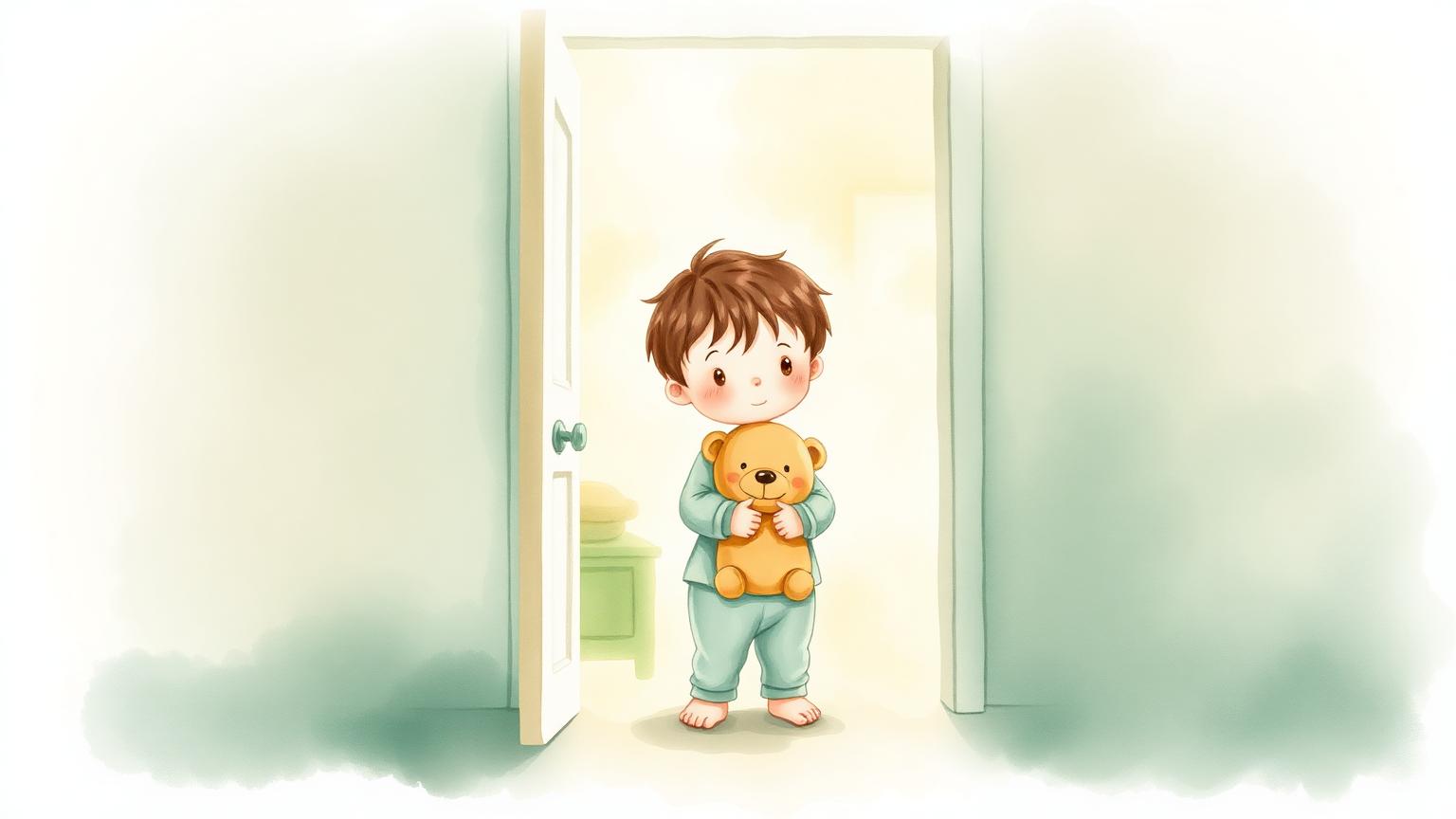
It's late. You've done the bath, the books, the songs. You tiptoe out — and within minutes, small footsteps follow you down the hall. Again.
If this is your nightly reality, you're not failing, and your child isn't manipulating you. Sleeping alone is one of the biggest emotional asks we make of small humans, and most children move through phases where it suddenly feels impossible.
This guide walks through what's actually going on developmentally, what makes it harder, and the small, science-backed shifts that help children feel safe enough to drift off on their own.
Why sleeping alone is hard (it's not a behaviour problem)
For a young child, going to sleep means letting go of the people they love most for the longest stretch of the day. Their nervous system is wired to read that separation as a potential threat — especially between ages 2 and 7, when the imagination is vivid and the line between real and pretend is still soft.
A few things that often quietly drive bedtime resistance:
- A developmental leap. New skills (potty training, starting school, a sibling's arrival) temporarily destabilize sleep.
- Big feelings during the day. Unprocessed worry, excitement, or overwhelm tends to surface at bedtime, when the day finally slows down.
- A scary story, show, or overheard conversation. Children can hold onto images for weeks.
- A change at home. A move, a parent travelling, a parent's stress.
- Genuine fear of the dark, of being alone, of monsters, of bad dreams.
None of these are signs that something is wrong with your child. They are signs that your child is paying attention to their world.
What doesn't help (even though it feels logical)
- "You're a big kid now." Children don't reason their way out of fear — they feel their way through it. Logic at bedtime usually escalates the panic.
- Long negotiations. The longer the conversation, the more activated your child's nervous system becomes.
- Punishments for getting out of bed. This adds shame on top of fear, which makes the fear bigger.
- Cold turkey "cry it out" with an older child. What works for an infant is not what works for a 5-year-old who can name their fear.
What actually helps
1. Name the feeling out loud, in the day
Not at 9:47pm when everyone is depleted. Earlier in the day, in a calm moment: "I've noticed bedtime has felt really hard lately. I wonder if a part of you feels worried when it's time to be alone." Just naming it lowers the charge.
2. Make the room feel like theirs and safe
A dim warm lamp, a familiar smell (a pillowcase you've worn), a small "guardian" toy with a name and a job ("Bear's job is to watch the door"). Children settle faster when their environment has clear, soothing cues.
3. Use a "goodbye ritual" instead of an exit
The same three sentences, every night, said softly. "I love you. I'll see you in the morning. Your body knows how to rest." Predictability is more calming than novelty at bedtime.
4. The "check-in" technique
Instead of demanding they stay alone all night, promise a check-in. "I'll come back and peek at you in 5 minutes." Then do it. The child relaxes because they trust you'll return. Most fall asleep before the second check.
5. A story that mirrors what they're feeling
This is where a personalised story becomes powerful. When a child hears a character just like them feel scared at bedtime — and then find their own way through it — their nervous system gets a quiet, hopeful blueprint. Stories do what lectures cannot.
When to gently look deeper
If bedtime resistance is paired with a sudden shift in mood, regression in toileting or eating, new fears that don't fade, or signs your child is overwhelmed at school, it's worth a conversation with your paediatrician or a child therapist. Most of the time, though, this is a phase — and your steady, warm presence is the most evidence-based intervention there is.
A gentle next step
If your child has been struggling to sleep alone for a while, try this tonight: name the feeling kindly in the daytime, agree on one small ritual, and read them a story where the main character — who looks and feels a lot like them — discovers that the dark is just the day, resting.
Frequently asked questions
At what age should a child sleep alone?
There's no single right age. Most children are developmentally ready somewhere between 3 and 6, but big life changes, temperament, and sleep history all shift that window. Readiness matters more than age.
Is it okay to lie down with my child until they fall asleep?
Yes — it's not a bad habit, it's a connection strategy. If it's working for your family, keep it. If it's becoming exhausting, you can gently shift it in small steps (sitting beside the bed, then by the door, then a check-in).
My child says there are monsters. Should I play along?
Take the fear seriously without confirming the monster. 'I can see that feels really real to you. Let's make this room feel extra safe together' validates the feeling without arguing about the facts.
How long does this phase usually last?
For most children, an acute phase lasts 2–8 weeks, especially when paired with a calm, consistent bedtime ritual. If it's lasting months and worsening, it's worth a check-in with your paediatrician.