The science of bedtime routines for anxious children
By Tim Khuja · 9 min read
Last reviewed June 9, 2026
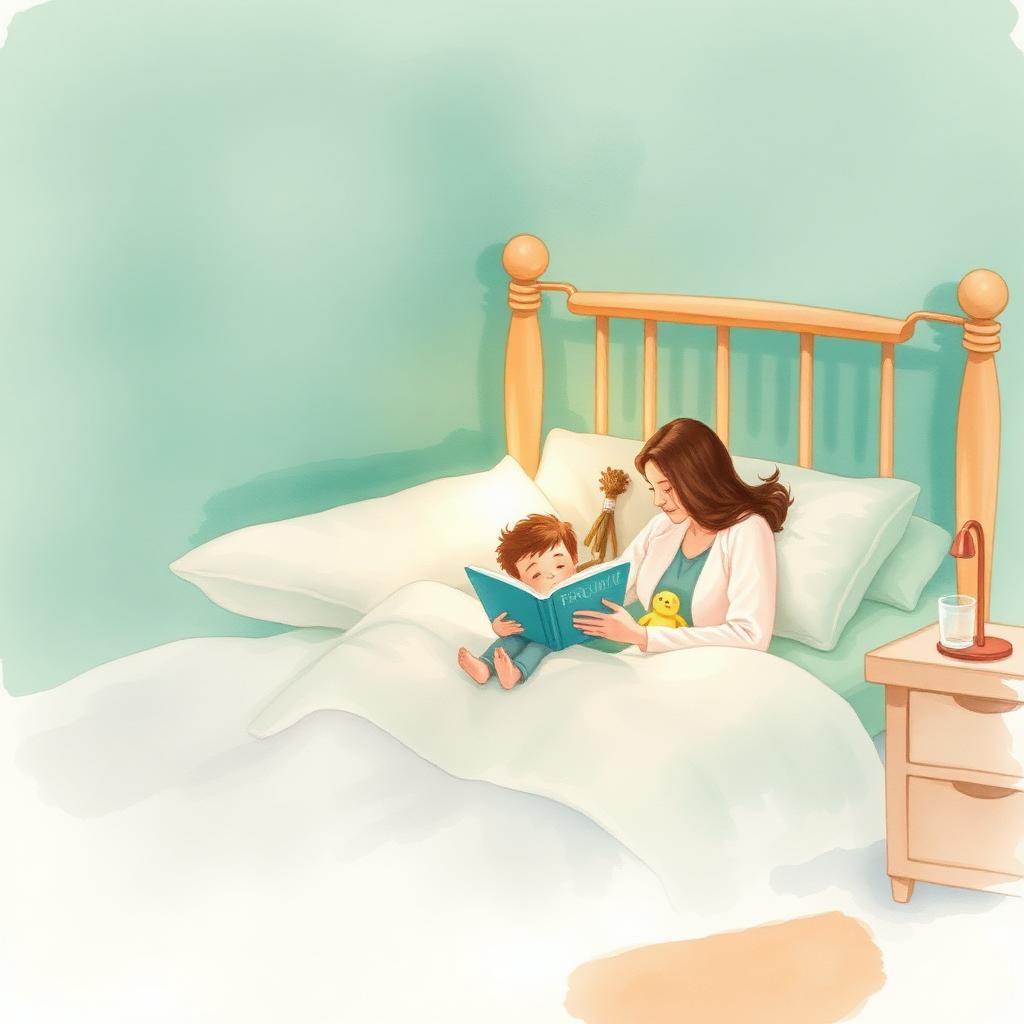
Most parents of an anxious child have lived this scene: it''s 8:14pm, you''re standing in a doorway, and the small person in the bed is asking — again — what tomorrow will be like, whether the door will stay open exactly the way it is right now, whether you''ll really still be downstairs.
You answer. You answer again. You feel the soft pull of exhaustion under your ribs.
A bedtime routine isn''t a parenting hack. For an anxious child, it''s a piece of neurobiology. Here''s what the research actually says, and how to design one that does what bedtime is supposed to do: tell the nervous system it''s safe to let go.
Why anxious children struggle with bedtime specifically
Bedtime asks a child to do four hard things at once:
- Separate from you
- Stop moving and stimulating themselves
- Lie still in the dark
- Let go of conscious control
For a regulated child, those are mildly unpleasant. For an anxious child, they''re a perfect storm. Anxiety is, at its heart, the nervous system being too good at scanning for threat. When you take away movement, light, and the comfort of a present caregiver, that scanning has nothing to do — so it turns inward. The stomach starts to hurt. The shadows mean something. Tomorrow''s spelling test suddenly demands a meeting.
This is why "just go to sleep" doesn''t work, and why power struggles at 8pm leave everyone in tears. The child isn''t being manipulative. Their threat-detection system is louder than their sleep-pressure system, and you can''t reason a nervous system into calming down.
What you can do is shape its inputs.
The four ingredients of a routine that actually regulates
Research on pediatric sleep (Mindell & Williamson, 2018) consistently shows that bedtime routines work when they''re consistent, predictable, sensory-calming, and connection-rich. Let''s take those one at a time.
1. Consistency
The same steps, in the same order, at roughly the same time, every night. Not because rigidity is good — because predictability is what tells an anxious brain "you can stop scanning."
You don''t need a perfect schedule. You need the same sequence: bath, pyjamas, teeth, story, lullaby, kiss, lamp off. When the child can predict step five from step two, their nervous system stops bracing.
2. A clear "down ramp"
The hour before sleep should get progressively quieter, dimmer, and slower. This mirrors what the body is doing biologically — melatonin rises, core temperature drops, the parasympathetic nervous system takes over.
Practical version: no roughhousing, no screens, no big conversations about the day''s problems, no last-minute homework. The room gets warmer-lit. Voices get softer. Movements get slower. You''re modeling the state you want them to enter.
3. Sensory calming
Anxious bodies often carry tension they can''t name. Build in something physical: a warm bath, a back rub, deep pressure (a heavier blanket, a long hug), slow rocking, humming. These activate the vagus nerve and tell the body — not the mind — that it''s safe.
This is also why the same pyjamas, the same stuffed animal, the same blanket matter. Familiar sensory input is a shortcut to "I''ve been here before, I know what comes next."
4. Connection before separation
This is the piece most parents miss. Before the goodbye, the child needs a real moment of feeling fully seen. Not multitasking. Not a quick kiss while you''re thinking about email. Three to five minutes of undivided attention — a story, a chat about one good thing, a quiet snuggle.
Children who get genuine connection before separation separate better. Children who feel they''re being rushed out of contact will chase it with bedtime stalling, water requests, and sudden urgent questions. The "fourth glass of water" is almost always a connection request in costume.
What to actually do (a sample routine for an anxious 5-year-old)
This is a starting point — adjust the times and pieces for your child.
- 7:00pm — warm bath with low lighting. No bright overhead lights from now on.
- 7:20pm — pyjamas, teeth, toilet. Same order every night. Talk softly.
- 7:35pm — into bed. Lamp on, overhead off.
- 7:35–7:50pm — story. A real one, read together. (This is where a calming bedtime story personalised to whatever they''re worried about does the heaviest lifting — more on this below.)
- 7:50–7:55pm — "one good thing, one hard thing." Two minutes of listening. No fixing.
- 7:55pm — goodbye ritual. Same three or four steps. (Three kisses. Tuck the bear in. Door open four fingers wide. "I''ll check on you in ten minutes.")
- 8:00pm — lamp off. You leave.
- 8:10pm — silent check-in. You come back, kiss their forehead, leave again. They usually don''t make it to the second check-in.
The whole thing takes an hour. That hour is not an interruption to your evening — it is the work of building a child who can sleep.
The personalised story slot is the lever
The story part of the routine is where you can do real emotional work. Reading a generic picture book is lovely, but a story that quietly names the exact thing your child is anxious about — starting school, a new sibling, a friendship that went wrong, the dark itself — does something different.
Narrative transportation research (Green & Brock, 2000) shows that children processing an emotion through a character experience the same regulation benefits as if they''d been gently coached through it. They don''t feel lectured. They feel met.
This is why Soothly exists. A two-minute story where your child is the hero, facing exactly their worry, finding their exact courage, lands at the nervous-system level in a way no advice can.
The goodbye ritual is doing more work than you think
Make the goodbye the same every night. Same words, same kisses, same order. "Three kisses. One on each cheek and one on your nose. I love you to the moon. I''ll see you in the morning. Door open four fingers."
Variation feels like negotiation. Sameness feels like a promise being kept. For an anxious child, kept promises are oxygen.
If you can, add a check-in: "I''ll be back in ten minutes to make sure you''re cosy." Then actually come back, even if they''re already asleep. The reliability is what they''re testing. Once they trust it, they stop staying awake to see if you''ll keep your word.
When the routine isn''t working
If you''ve been consistent for two weeks and bedtime is still a battle, look at three things before you tweak the routine:
- What''s happening between 4 and 7pm? Big feelings that don''t get processed earlier come up at bedtime. A 15-minute "feelings download" walk after dinner can change the whole night.
- What''s changed in their world? New teacher, new sibling, a friendship rupture, a scary thing they saw or heard. Anxiety attaches to whatever sleep gives it space to.
- Are you regulated? Children co-regulate. If you''re entering bedtime tense, rushing, or holding your own day''s stress, they will feel it and stay alert.
If you''ve addressed all three and nights are still consistently hard for more than a month, that''s worth a conversation with your paediatrician. Persistent sleep difficulty in children is treatable, and you don''t have to figure it out alone.
A small reframe to take with you
Bedtime is not the end of the day. For an anxious child, bedtime is the day''s most important work. It''s where they learn — in their body, not their head — that the world is reliable, that you are reliable, that they can let go and the floor will still be there in the morning.
Build the routine like you mean it. They feel the difference.
Continue reading
- Why won''t my child sleep alone? Bedtime anxiety explained
- How to help a child calm down at bedtime
- Calming activities for an overstimulated child
Frequently asked questions
How long should a bedtime routine be for an anxious child?
Aim for about 45 to 60 minutes from bath to lights-out. Anxious children need a longer down-ramp than regulated children — the gradual lowering of lights, voices, and stimulation is what lets the nervous system release. A rushed 15-minute routine almost always backfires.
Should I let my anxious child fall asleep with the lights on?
A dim lamp or warm-toned nightlight is fine and often helpful. Bright overhead lights suppress melatonin and signal alertness. The goal is not darkness for its own sake — it's warm, low, calming light that mirrors sunset and lets the body know sleep is coming.
My child keeps coming out of bed. Is the routine wrong?
Not necessarily — they're often chasing connection rather than rejecting sleep. Try adding a scheduled silent check-in (you return in ten minutes, kiss their forehead, leave) so they don't have to come find you to feel reassured. Most children stop getting up once they trust the check-in is coming.
How long does it take for a new bedtime routine to work?
Most families see a real shift in 10 to 14 nights of consistency. The first week is often harder than the old routine because the child tests whether the new pattern is actually predictable. Hold the line gently — once they trust it, it gets dramatically easier.